


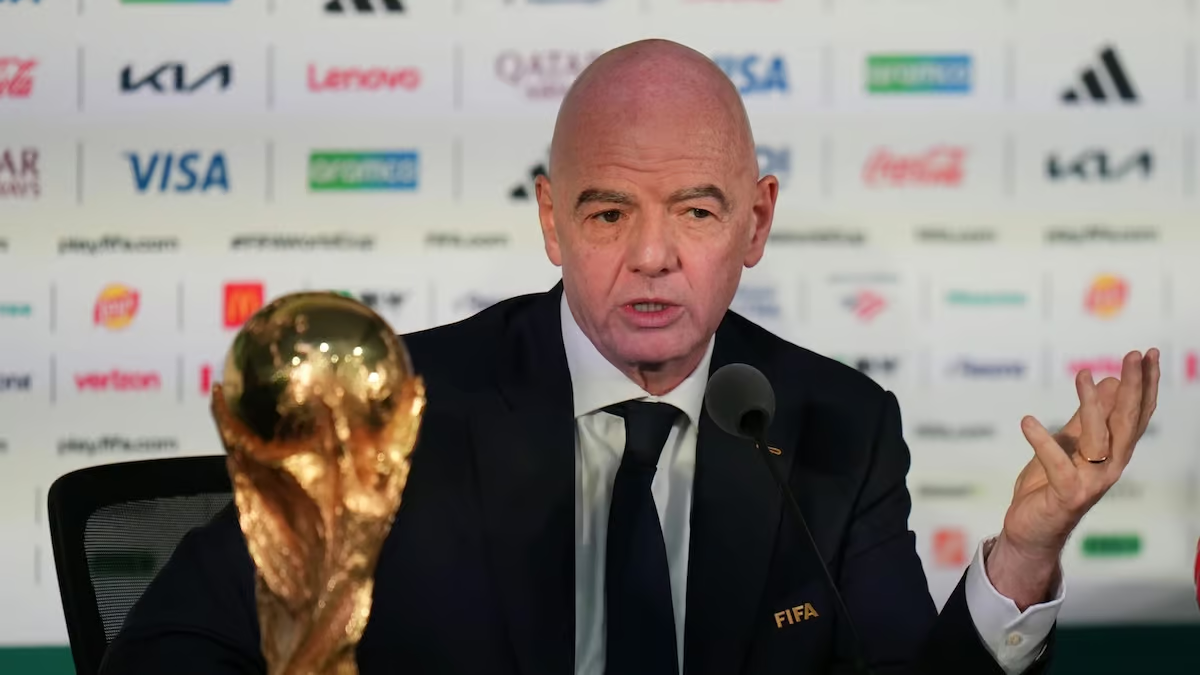
FIFA faces global backlash over proposal to sell stake in World Cup rights
Fédération Internationale de Football Association (FIFA) President Gianni Infantino is facing mounting criticism from the global football fraternity after proposing a major restructuring of the governing body's commercial operations. The changes would allow minority stakes in a new company managing the FIFA World Cup and other international competitions to be sold to private investors. Member associations of FIFA say the proposal also imposes an ultimatum on them to accept the changes.
The controversy comes only weeks after the conclusion of the 2026 FIFA World Cup, a tournament that was overshadowed by a series of controversies surrounding FIFA's governance. Including FIFA's decision to rescind a red card issued during the tournament after United States President Donald Trump reportedly spoke with Infantino.
FIFA proposes to establish a new commercial entity known as FIFA Forward Enterprise (FFE). According to documents distributed to FIFA's 211 member associations, the new company would manage the commercial and event operations of the FIFA competitions.
Under the proposal, FIFA would retain overall control of the competitions while selling up to a 20% minority stake in the new entity to private investors, with the aim of raising approximately $4.2 billion. FIFA says the additional capital would expand development funding, with each member association potentially receiving up to $40 million under the proposed program, subject to approval by the membership.
The Guardian reported that it had seen a 25-page investment prospectus, titled FIFA Forward Enterprise Member Materials, prepared for FIFA member associations. According to The Guardian, the document outlines plans for the creation of the new commercial company and identifies venture capitalist Joshua Kushner, brother of Jared Kushner, Donald Trump's son-in-law, as the prospective purchaser of the proposed 20% stake. The report also states that the prospectus was prepared by the US investment bank JPMorgan Chase, the same financial institution that advised the failed European Super League project launched in 2021.
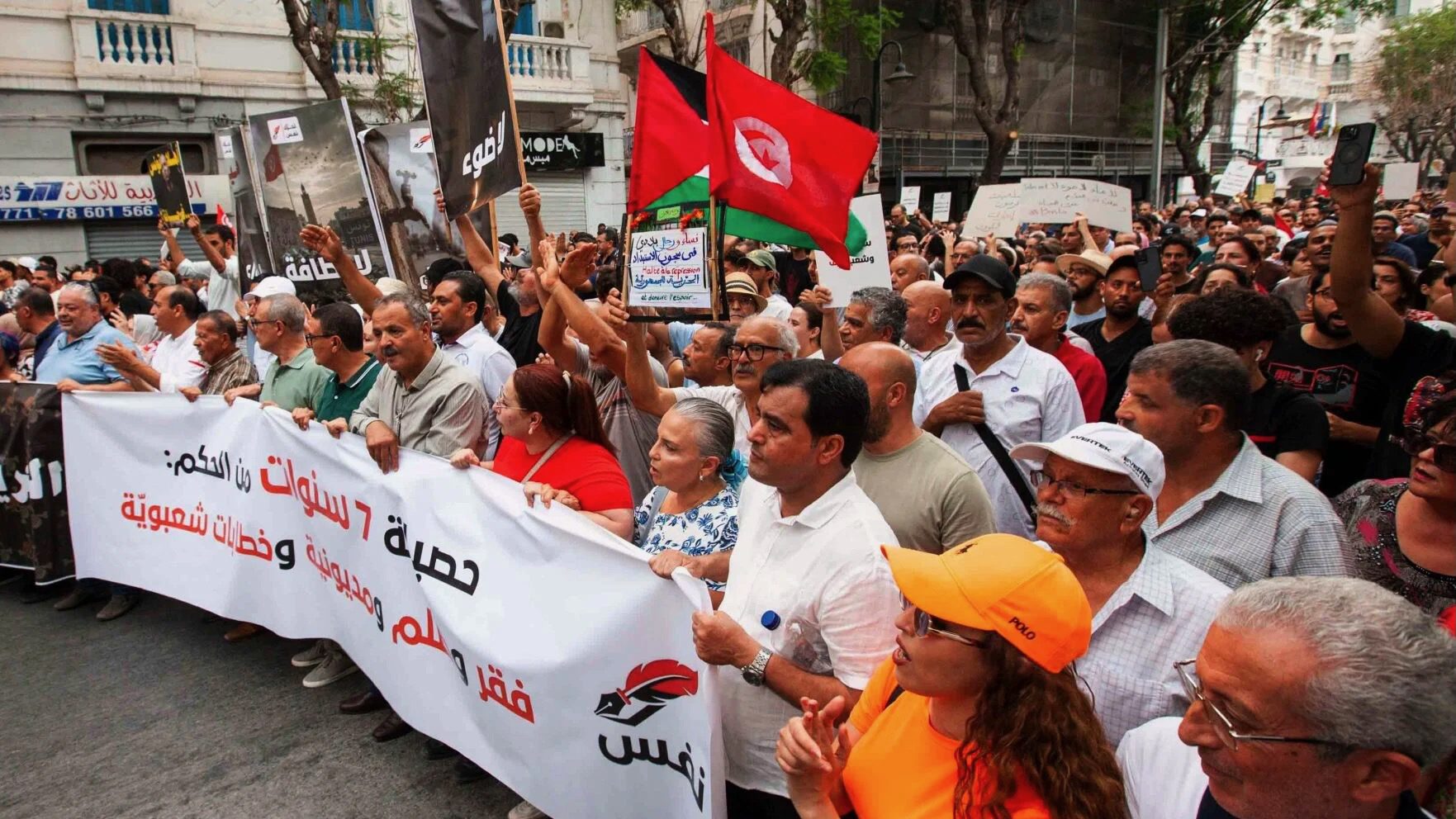
Five years after Saied’s power grab, economic crisis and democratic decline fuel discontent in Tunisia
Tunisia’s political crisis is deepening five years after Kais Saied’s power grab, as economic pressures, declining public services, and restrictions on political freedoms fuel renewed opposition.
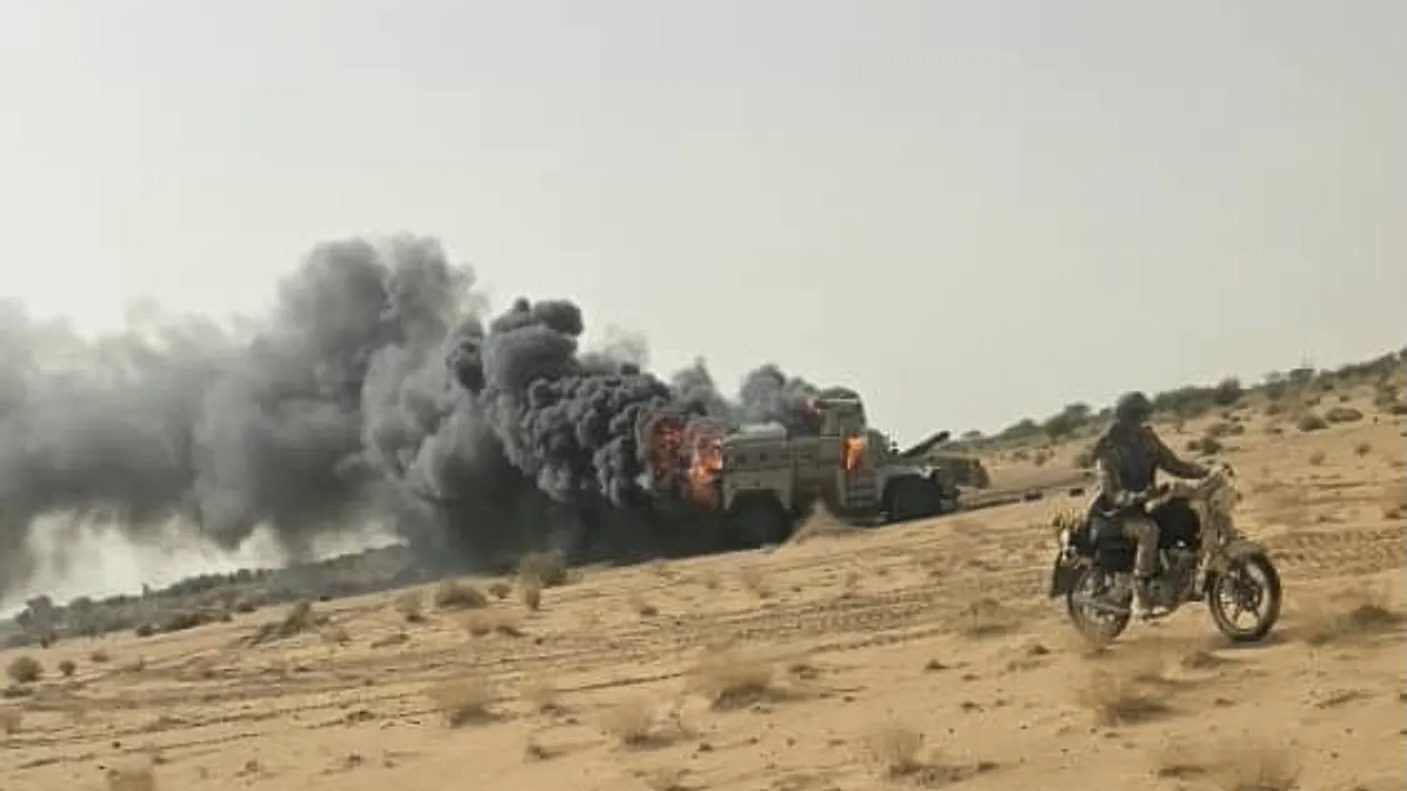
Malian forces repel JNIM attacks as the US threatens intervention
The Trump administration is reportedly considering military action in Mali against Jama'at Nusrat al-Islam wal-Muslimin (JNIM), an al-Qaeda-affiliated armed group, as violence continues to escalate across the Sahel.
According to The Washington Post, current and former US officials said the administration is weighing targeted military strikes against JNIM. If the US were to go forward with strikes, Mali would become the eighth country where President Donald Trump has authorized military strikes since the start of his second term.
However, any US military intervention in Mali would have consequences that today are unclear, due to the regional alliances Mali is a part of. Alongside Burkina Faso and Niger, Mali is a member of the Alliance of Sahel States (AES), a bloc that has emphasized sovereignty, greater control over its natural resources, and reduced dependence on Western powers. Since the withdrawal of French forces, the AES has strengthened security cooperation with Russia, relying on Russian military support to combat jihadist groups. If the US were to hit any Malian forces or Russia’s Africa Corps, the consequences may extend beyond Mali’s borders, especially as Malian forces have been engaged in numerous battles in the last several months against those same forces.
The Malian Armed Forces (FAMa) reported successfully breaking out of a major ambush launched by armed groups in northern Mali on July 18, following an attack on a military convoy in the Kidal Region that resulted in the deaths of several soldiers.
The attack, attributed by Malian authorities to a coalition involving Jama'at Nusrat al-Islam wal-Muslimin (JNIM), an al-Qaeda-affiliated armed group, and the Front de Libération de l'Azawad (FLA), represents the latest in a series of assaults targeting state institutions and security forces across the Sahel.
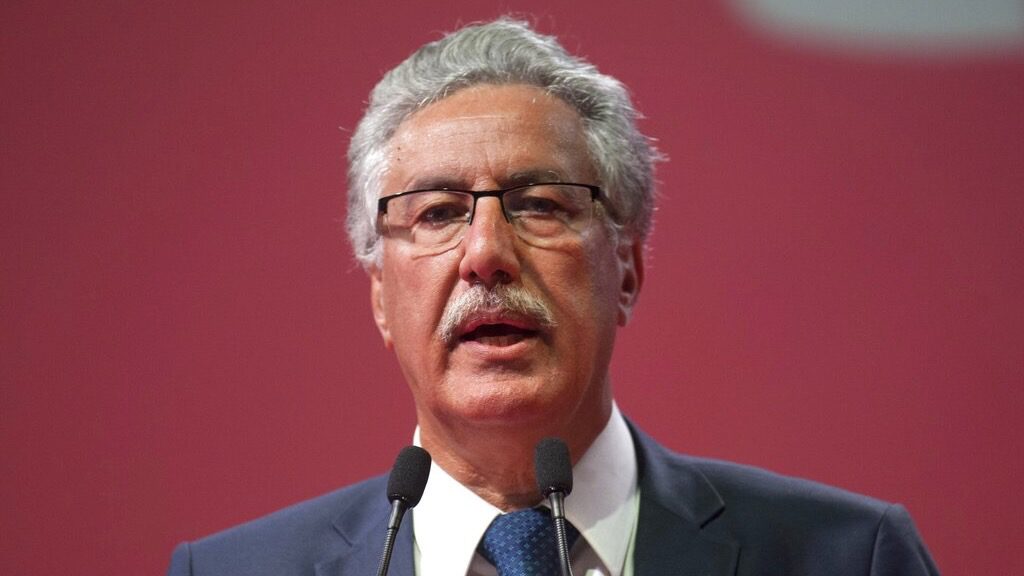
Death threats against Tunisian Workers’ Party Secretary-General draw global condemnation
International solidarity has poured in for Tunisian Workers’ Party Secretary-General Hamma Hammami, following the circulation of a video openly calling for his assassination.
PAIGC condemns arrest of Domingos Simões Pereira as political persecution
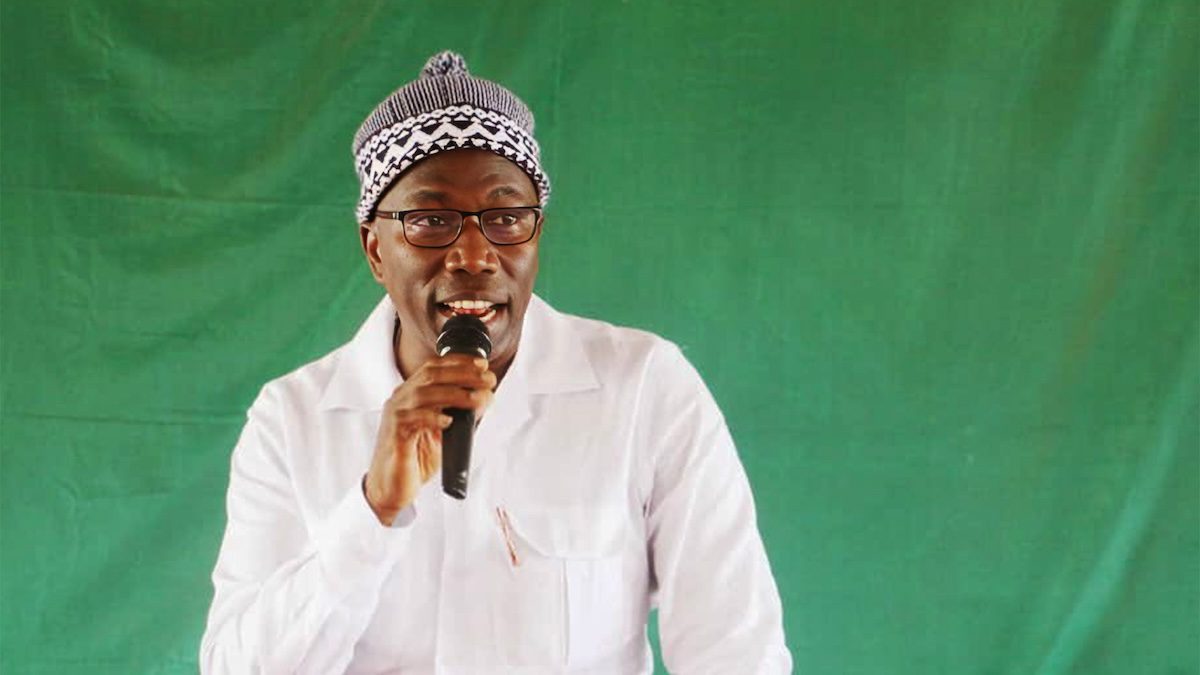
Guinea-Bissau's main opposition party, the African Party for the Independence of Guinea and Cape Verde (PAIGC), has condemned the arrest of its leader, Domingos Simões Pereira, describing it as the latest step in what it calls an escalating campaign of political persecution under the country's military-led transitional authorities.
The arrest comes as the military government prepares for an August 30 referendum on a proposed new Constitution that would replace Guinea-Bissau's parliamentary system with a presidential regime, significantly expanding the powers of the head of state. The timing raises questions around the legitimacy of pursuing such sweeping constitutional changes while opposition leaders face detention and political repression.
In a statement issued on July 10, the PAIGC said police officers "invaded the residence of the President of the PAIGC and President of the National Popular Assembly, Comrade Domingos Simões Pereira, and took him to the prison facilities of the Second Police Station, where he is currently being detained."
The party described the arrest as "an act of gross arbitrariness," alleging that it was carried out "under the cover of a judicial order without any legal basis, issued by an illegally appointed judge, within the framework of a fabricated and abusively manipulated judicial process, with the blatant purpose of politically or even physically eliminating Domingos Simões Pereira."
According to the PAIGC, the judicial proceedings against Pereira have been marked by systematic interference. The party claims that prosecutors assigned to the Military Court case were removed after refusing to comply with superior orders, after which "the regime created an ad hoc court to handle the proceedings, illegally transferring judges from civil courts, in flagrant violation of principles enshrined in the Constitution of the Republic, particularly the principle of the natural judge."
Sovereignty is the foundation of democracy: the political realities of the Sahel
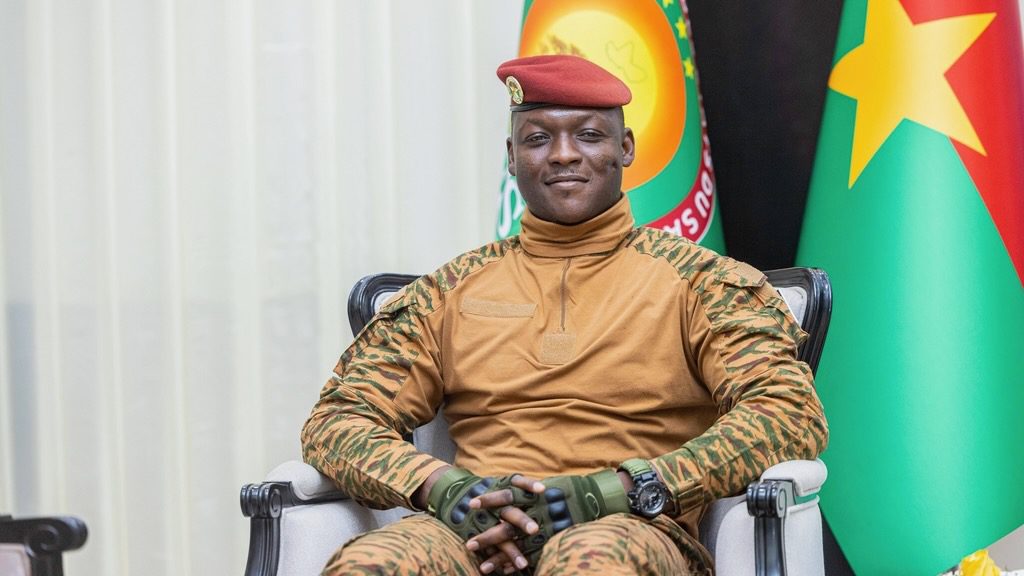
As debates over democracy and governance intensify across Africa, the Alliance of Sahel States (AES) has advanced a political struggle that challenges conventional understandings of democratic transition in the context of its fight for sovereignty.
South Africa’s anti-immigrant protests expose a deeper national crisis
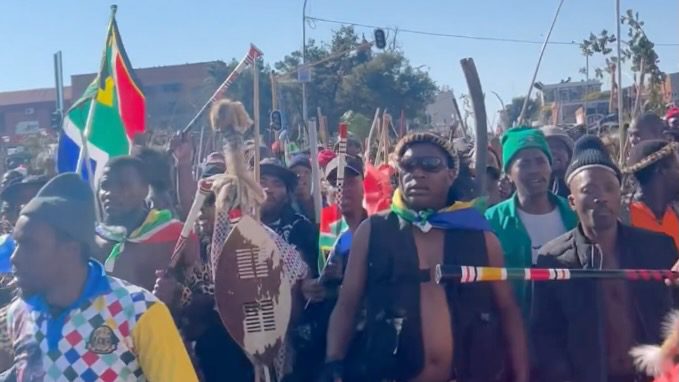
South Africa's deadline of June 30, set by anti-immigrant groups for undocumented immigrants to leave the country, came and went under heavy police deployment, closed businesses, and widespread anxiety. While fears of large-scale violence prompted heightened security across several provinces. Some demonstrations remained peaceful, while other areas experienced looting, isolated attacks, and arrests, like KwaZulu-Natal and Western Cape.
It is the latest in a growing movement that has gathered momentum throughout 2026, with anti-immigrant groups organizing marches, blocking access to public institutions, and demanding the removal of undocumented migrants. The movement has already announced that protests will continue every Thursday.
South Africa continues to struggle with one of the world's highest unemployment rates, particularly among young people, alongside persistent inequality, rising living costs, deteriorating public services, and slow economic growth. These conditions have created fertile ground for narratives that portray migrants as competitors for scarce jobs, housing, healthcare, and social services.
Throughout the year, anti-immigrant activists have or attempted to block hospitals and schools, demanding that South Africans receive priority treatment. Others have stopped individuals in communities, asking them to produce identity documents, actions the South African government has repeatedly declared unlawful, insisting that immigration enforcement remains the responsibility of state agencies rather than citizens.
For many, the protests are driven by a genuine belief that undocumented migration has worsened unemployment, crime, and reliance on state benefits. But whether those perceptions are supported by evidence is highly contested.
Hundreds arrested in Kenya during second anniversary of 2024 protests
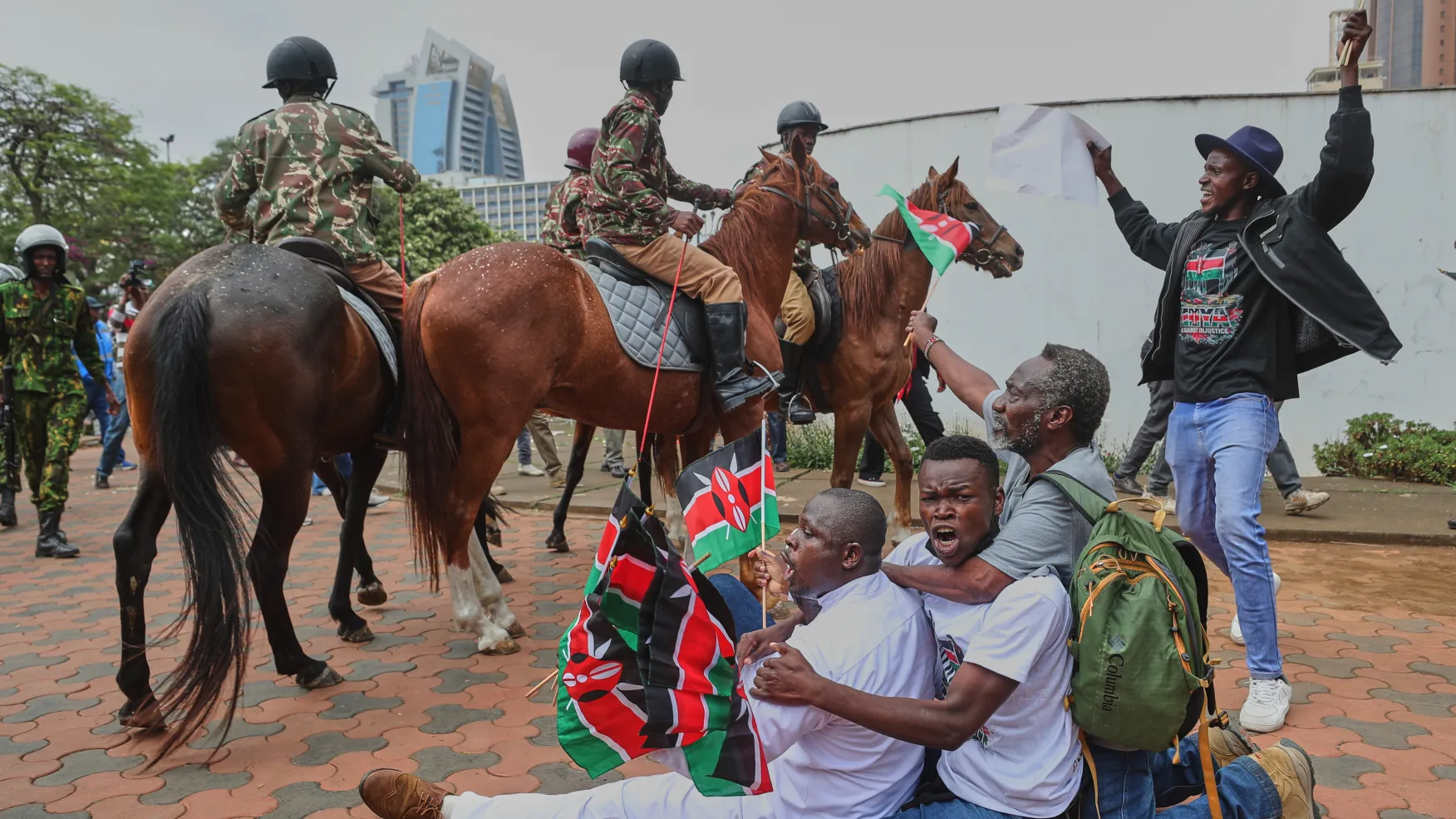
Tight security measures and road barricades were deployed across Nairobi and other towns, in an attempt to prevent commemorative protests. Police arrested hundreds of Kenyans marking the second anniversary of the 2024 protests that left more than 60 young people dead.