


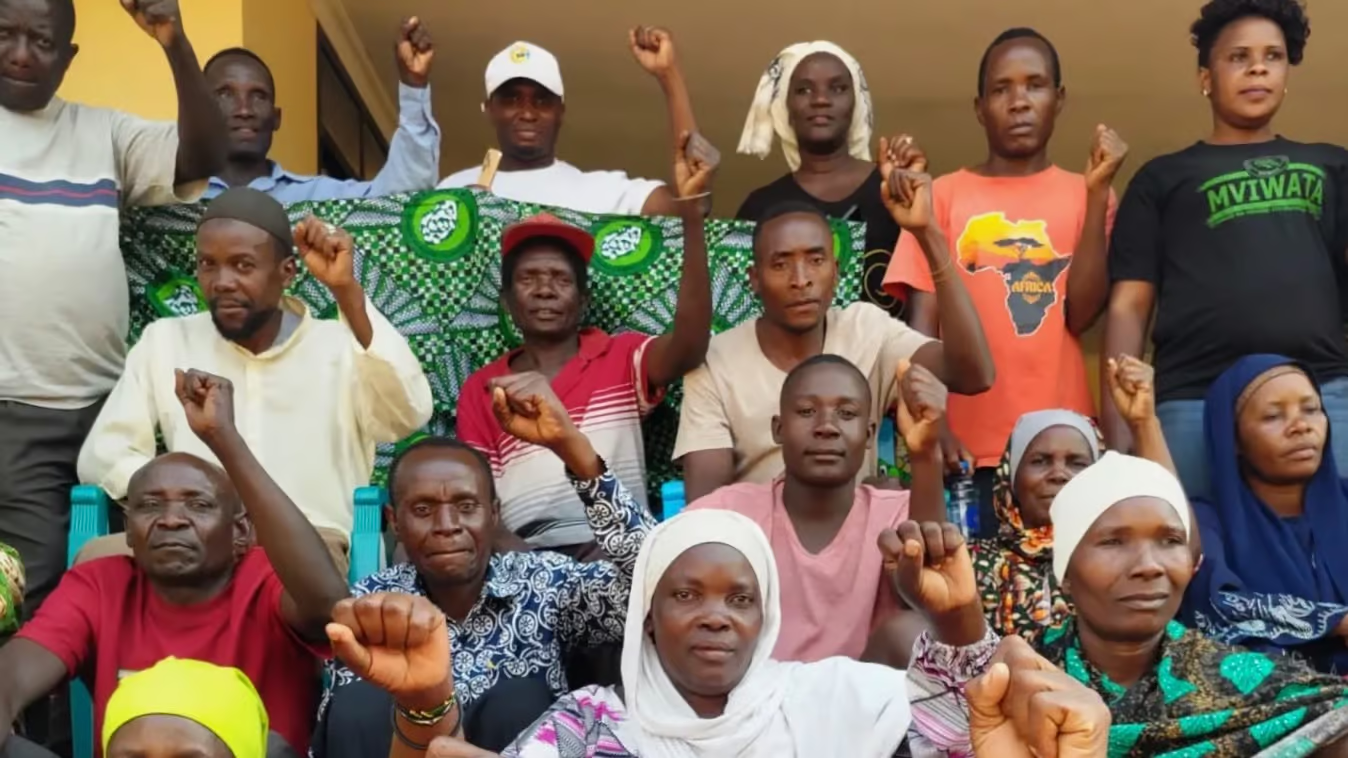
MVIWATA seeks stronger farmers’ rights in proposed EAC seed bill
MVIWATA argues that the proposed legislation is heavily oriented towards commercial seed companies and certified seed and fails to recognize the seed systems that smallholder farmers rely on to save, reproduce, exchange and use seeds within their communities.
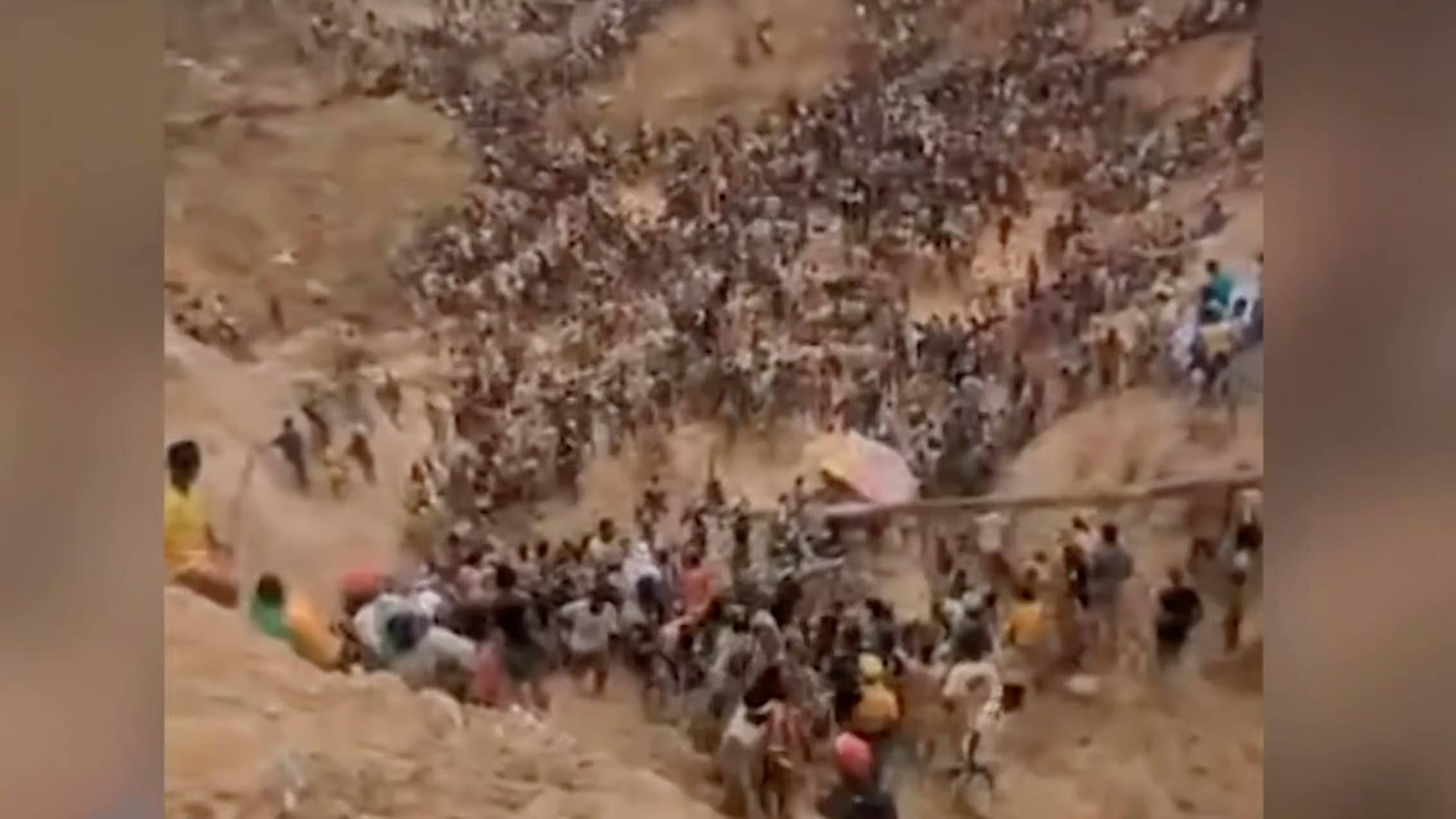
Mine disaster in Central African Republic sparks debate on how best to regulate the sector
The accident brought to the fore the persistent safety risks facing informal and small-scale miners across Africa working for survival.

Fidel Castro made Africa’s struggle his own
Fidel Castro’s centenary offers an important moment to reflect on the enduring relationship he forged with Africa and the solidarity Cuba extended to African liberation movements and newly independent states.
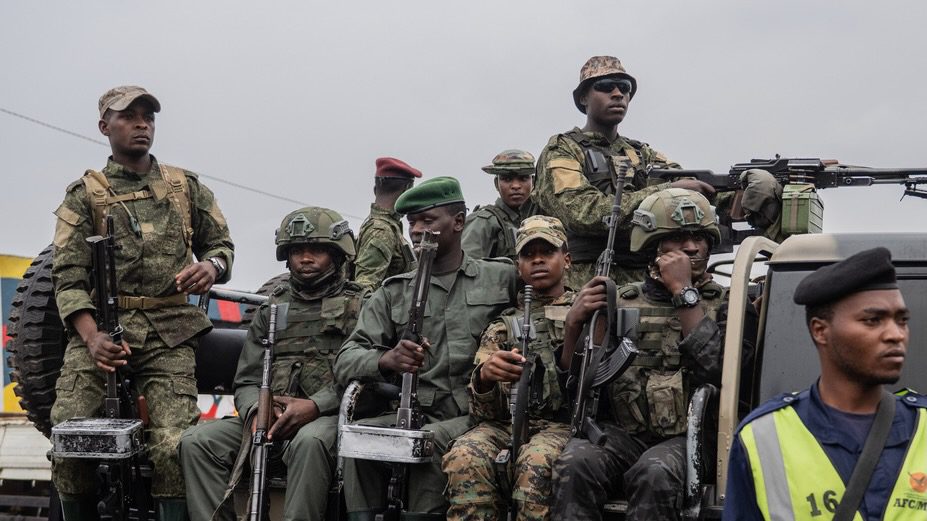
DRC, M23 begin exchange of 15 prisoners under Doha peace process
The release of 15 detainees by the DRC to the M23 marks the first tangible step in implementing the Doha peace agreement signed in 2025, but questions remain over whether the process can be sustained and lead to lasting peace in eastern Congo.
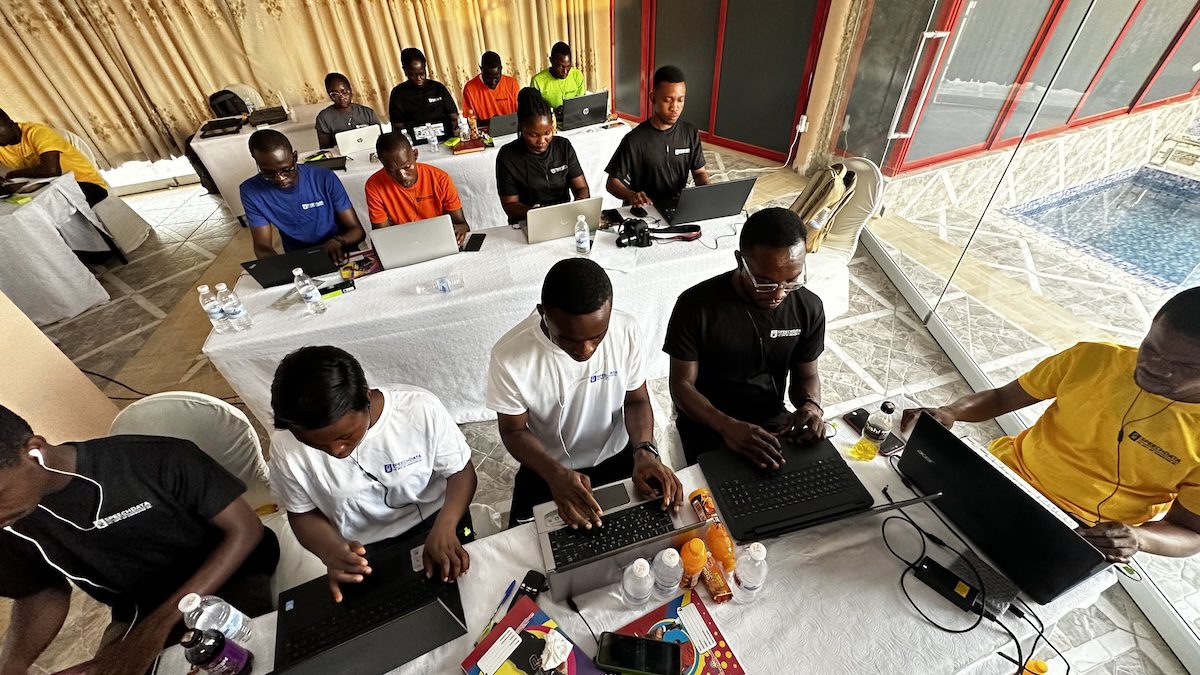
For Africa to have digital sovereignty, it must control data and AI technology
Artificial intelligence is reshaping the global economy, despite its vast reserves of critical minerals in AI development, Africa remains largely a consumer of AI technologies in a geopolitically contested terrain.
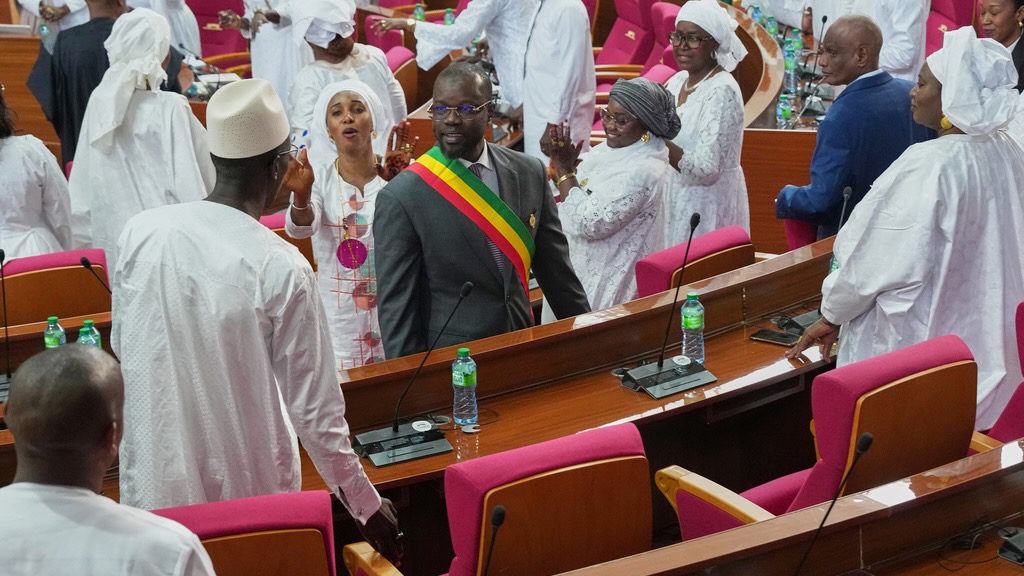
Political rift in Senegal deepens as parliament moves to limit presidential powers
The political divide in Senegal has become increasingly institutional, with the parliamentary majority aligned behind Sonko moving to curtail presidential powers while expanding the authority of the National Assembly.
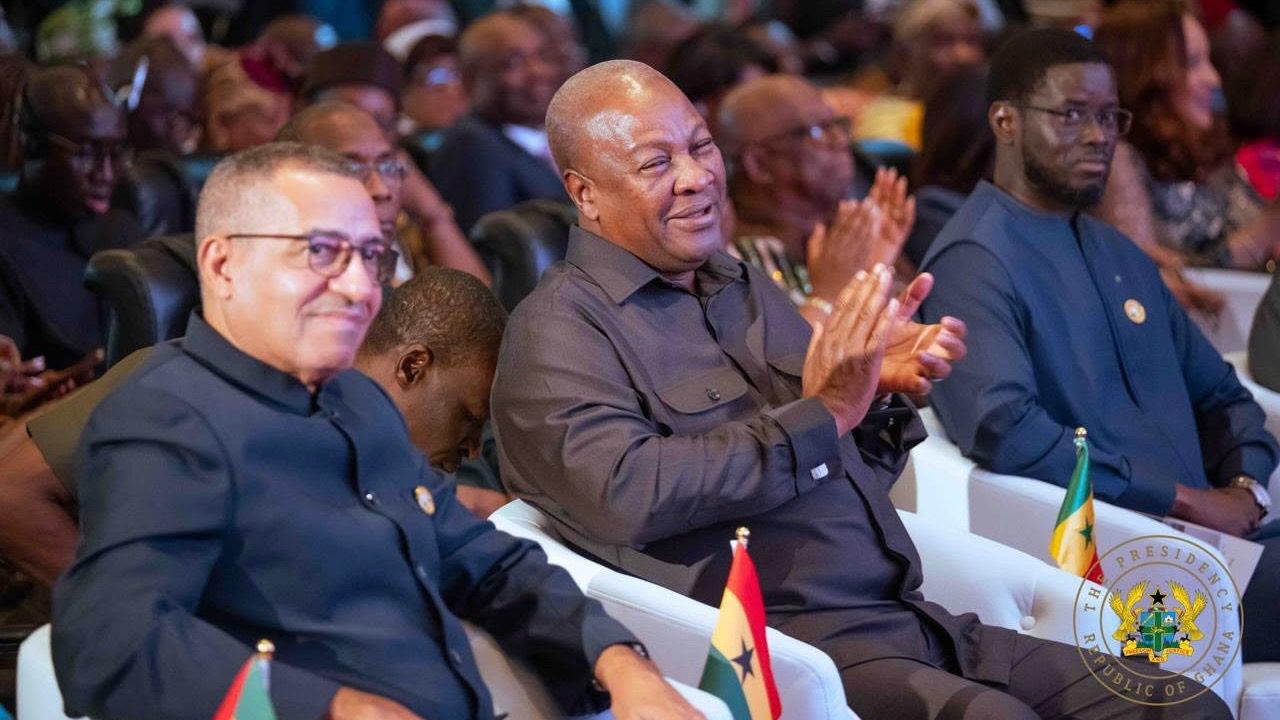
Ghana reparations conference adopts global framework for reparatory justice
Efforts to advance reparatory justice for Africa and people of African descent continue to gain momentum following the conclusion of a three-day high-level conference in Accra, Ghana, attended by African heads of state, policymakers, scholars, activists, and representatives of the African diaspora.
The meeting, dubbed “The Next Steps on Reparatory Justice,” sought to chart a concrete path forward for the global reparations movement and build on growing international recognition of the historical injustices of slavery, colonialism, apartheid, and genocide. It built upon the United Nations General Assembly's landmark adoption in 2025 of Resolution A/RES/80/250, which elevated reparatory justice as a matter of global concern.
The conference stated that reparatory justice is more than addressing historical grievances but is fundamentally a human rights and development imperative aimed at restoring the dignity, rights, and development opportunities of Africans and people of African descent worldwide.
The conference culminated in the adoption of a 19-point Global Strategic Framework for Reparatory Justice, outlining a coordinated international approach to advancing reparations claims and addressing the enduring consequences of slavery and colonialism.
Among the key pillars adopted was a call for an “Acknowledgement of Truth and Apology,” urging states, institutions, churches, and corporations that benefited from the trafficking and enslavement of Africans to issue full, formal, and unconditional apologies. Delegates stressed that apologies must be accompanied by guarantees of non-repetition and recognition of the lasting intergenerational impacts of slavery and colonial rule.

South African jazz legend and anti-apartheid icon Abdullah Ibrahim dies at 91
Abdullah Ibrahim’s death has drawn an outpouring of tributes from across the world, celebrating his extraordinary musical legacy and his lifelong contribution to the struggle against apartheid and the global genre of jazz.