Ghana reparations conference adopts global framework for reparatory justice
A three-day high-level conference on reparatory justice held in Accra, Ghana, concluded with delegates adopting a Global Strategic Framework for Reparatory Justice, outlining a coordinated international agenda to address the legacies of slavery and colonialism.
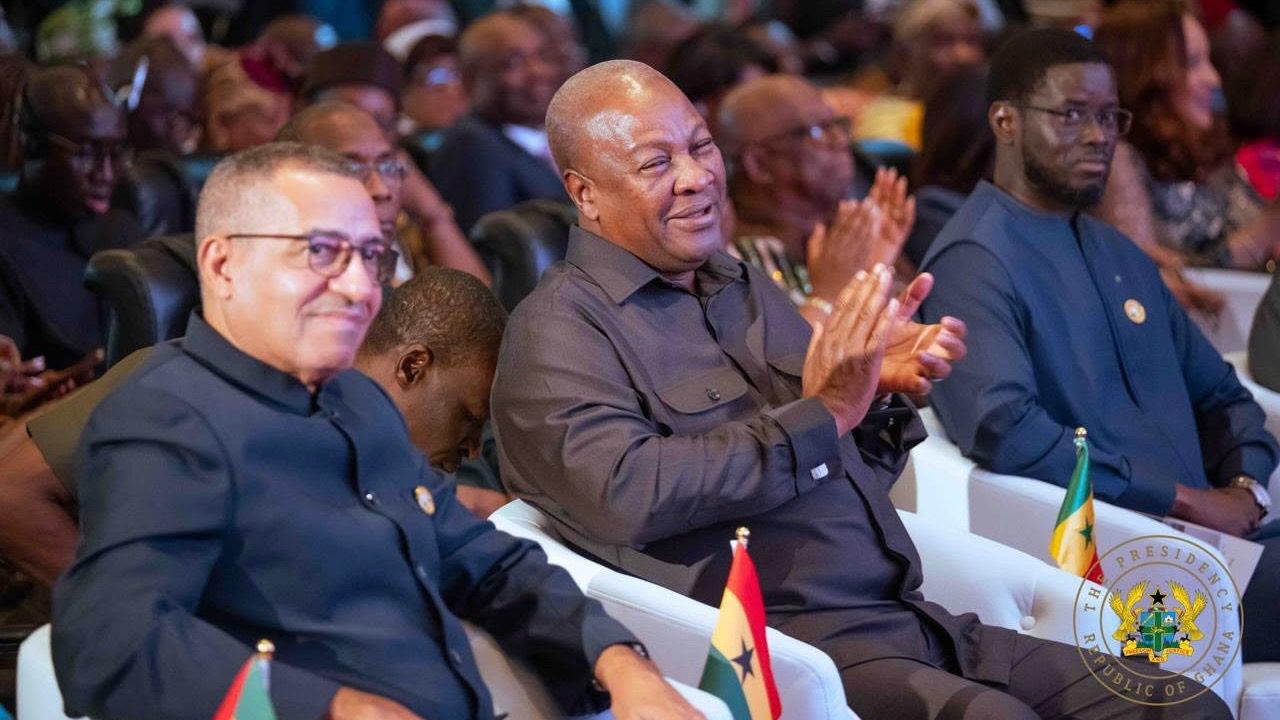
High-Level Consultative Conference on the Next Steps to the Landmark United Nations Resolution on the Trafficking of Enslaved Africans hosted by the President of the Republic of Ghana and African Union Champion on Advancing the Cause of Justice and the Payment of Reparations, His Excellency John Dramani Mahama. Photo: MFA Ghana
Efforts to advance reparatory justice for Africa and people of African descent continue to gain momentum following the conclusion of a three-day high-level conference in Accra, Ghana, attended by African heads of state, policymakers, scholars, activists, and representatives of the African diaspora.
The meeting, dubbed “The Next Steps on Reparatory Justice,” sought to chart a concrete path forward for the global reparations movement and build on growing international recognition of the historical injustices of slavery, colonialism, apartheid, and genocide. It built upon the United Nations General Assembly’s landmark adoption in 2025 of Resolution A/RES/80/250, which elevated reparatory justice as a matter of global concern.
The conference stated that reparatory justice is more than addressing historical grievances but is fundamentally a human rights and development imperative aimed at restoring the dignity, rights, and development opportunities of Africans and people of African descent worldwide.
The conference culminated in the adoption of a 19-point Global Strategic Framework for Reparatory Justice, outlining a coordinated international approach to advancing reparations claims and addressing the enduring consequences of slavery and colonialism.
Among the key pillars adopted was a call for an “Acknowledgement of Truth and Apology,” urging states, institutions, churches, and corporations that benefited from the trafficking and enslavement of Africans to issue full, formal, and unconditional apologies. Delegates stressed that apologies must be accompanied by guarantees of non-repetition and recognition of the lasting intergenerational impacts of slavery and colonial rule.