Cuba in the eye of the storm: sanctions, energy crisis, and threats of invasion
The situation in Cuba is steadily worsening. Compounding the prolonged economic crisis and deteriorating energy situation are new unilateral measures by the United States.
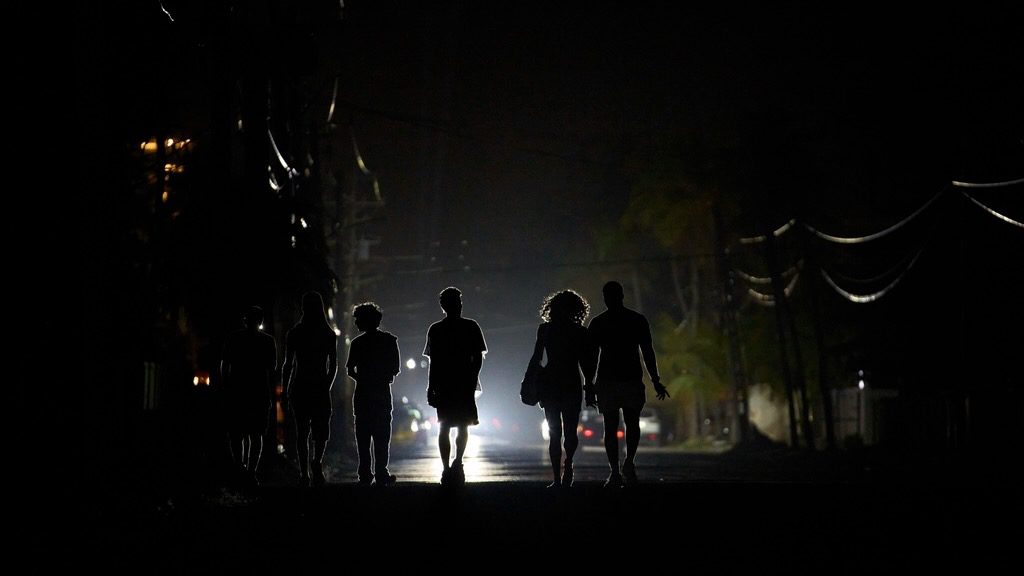
Cubanos caminan en la oscuridad durante un apagón en La Habana. Foto: AP
Lee en español aquí
It is just past 9:00 pm, and the Havana neighborhood where I live is completely dark. This part of the capital has been without electricity for 20 hours. On my street and those nearby, the silence has been broken by the noise of cacerolazos (pot-banging protests), a form of dissent that used to be rare in Cuba but is becoming increasingly frequent these days.
To a certain extent, this is understandable. The lack of electricity affects virtually every aspect of daily life for Cubans. Long hours of blackouts, which can stretch to nearly 48 hours in some provinces, leave little room for daily routines and force citizens to manage their affairs based entirely on when the power comes back on. It is a scenario that, anywhere in the world, naturally breeds public discontent.
This is the social unrest that the administration of President Donald Trump is banking on to advance its regime-change agenda in Cuba.
Since late March, when the Russian tanker “Anatoly” docked at the port of Matanzas province carrying 100,000 tons of fuel, Cuba has not received a single drop of oil. That vessel, sent by the Russian government as humanitarian aid for the island, was the only exception the White House allowed to the oil embargo imposed in January of this year. This measure has effectively prevented any country from shipping gasoline or petroleum products to the Caribbean nation.
“The situation is very tense … we have absolutely no fuel oil, we have absolutely no diesel,” Cuba’s minister of energy, Vicente de la O Levy, announced in a nationwide broadcast in mid-May.
Against this backdrop, the situation in Cuba is steadily worsening. Compounding the prolonged economic crisis and deteriorating energy situation are new unilateral measures by the United States. These have prompted major foreign companies to exit the country – including hotel chains that had operated on the island for decades – all of them slipping out the back door to avoid the long reach of the sanctions with which Washington threatens them.
To further complicate matters, tensions between Washington and Havana have escalated significantly in recent weeks following the US authorities’ decision to file criminal charges against former President Raúl Castro. He is accused of alleged responsibility for the 1996 downing of two light aircraft belonging to the organization “Brothers to the Rescue” (Hermanos al Rescate) – an incident that resulted in four deaths. This indictment, coming three decades later, is part of the Trump administration’s broader strategy to ramp up pressure on the Cuban government.
Read more: Cuba condemns US indictment of Raúl Castro as pretext for aggression
In fact, as I write this article, the White House has announced new sanctions against President Miguel Díaz-Canel and his wife, Lis Cuesta Peraza. This marks the first time both have appeared on a US sanctions list, fueling speculation that the United States is preparing for a military intervention in Cuba similar to the one carried out in Venezuela on January 3.
All of this, of course, comes at the expense of the Cuban people’s living conditions. They are enduring one of the most difficult periods of the last twenty years. For many, comparable even to the so-called “Special Period,” with the added burden of seeing no way out of the crisis in the short or medium term.
Uncertainty reigns in the streets. Following Trump’s bellicose turn regarding Venezuela and Iran, the population views the real possibility of US aggression against their country with growing concern, all while grappling with daily shortages and hardships. Secretary of State Marco Rubio (the leading voice of the most reactionary wing of Florida’s anti-Cuba lobby) has relentlessly hurled threats and accusations at Havana. This appears to be a clear strategy to lay the media groundwork justifying a political escalation and potentially even military action against the largest of the Antilles.
“Cuba has sponsored terrorism and supported various groups … practically all violent, radical-left terrorist groups in Latin America have, at some point, relied on support from Cuba,” Rubio claimed during a recent Senate hearing, employing classic Cold War rhetoric.
Meanwhile, US media outlets continue to report on alleged talks between American and Cuban officials aimed at a diplomatic resolution to the crisis. However, there are no tangible results so far, nor has the occupant of the White House shown any inclination to tone down the aggressive language he habitually uses when referring to Cuba.
“Cuba has collapsed. We’ll deal with them once we’re done with the Islamic Republic of Iran,” Trump has said.