Ethiopia’s 2026 race: Abiy Ahmed set for re-election
Many describe the election as largely procedural and faced with ongoing insecurity, economic pressures, and limited political participation.
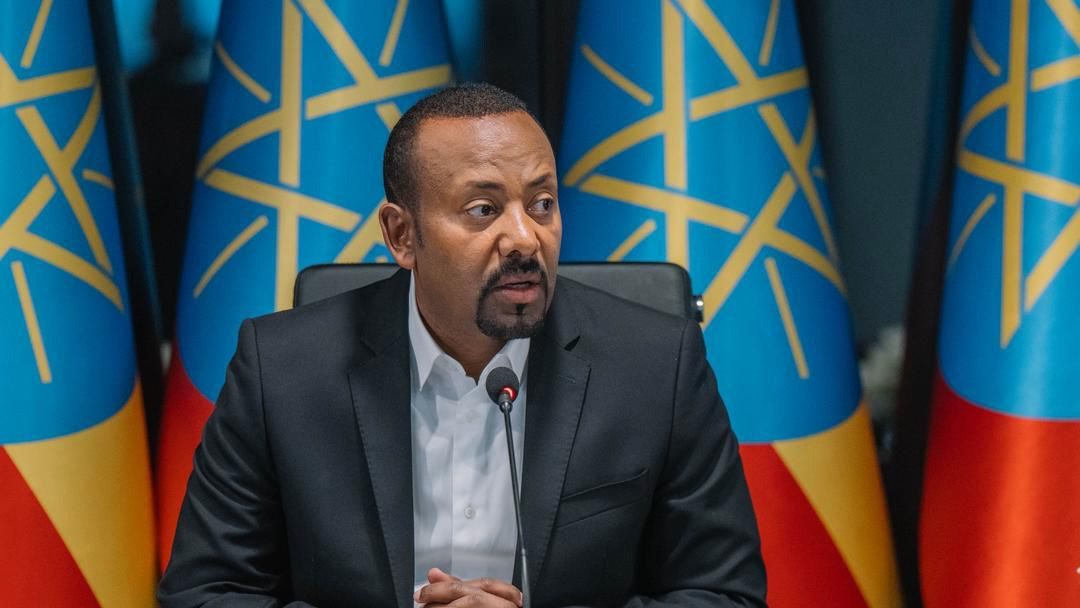
Ethiopia's Prime Minister Abiy Ahmed. Photo: Abiy Ahmed/X
Ethiopia held its general elections for parliamentary and regional representatives on June 1, with official results yet to be announced. Nevertheless, it is widely anticipated that the ruling Prosperity Party, led by Prime Minister Abiy Ahmed, will secure a decisive victory and extend its hold on power for another five years.
The elections took place in a contested political environment marked by challenges of insecurity, political tensions, and growing concerns about democratic participation. While 48 opposition parties had initially registered to contest the elections, several major parties did not participate. Among those excluded from the process were Simret, Kanchi Haqi, and Tinsae Seb’a Enderta in the Tigray region, as well as the Ethiopian Social Democratic Party (ESDP), the Sidama Federalist Party (SIFEPA), and the Gambella Peoples’ Liberation Movement (GPLM).
Voting was also not conducted in a number of constituencies affected by conflict and instability. Regions associated with armed confrontations in Oromia and Amhara, as well as parts of northern Tigray, remain at the center of political contestation. Consequently, questions have emerged regarding the inclusiveness and representativeness of the electoral process.
For the second consecutive electoral cycle, large sections of the country have been unable to fully participate in national elections due to insecurity as the government puts it. Although the National Election Board reported that approximately 50 million Ethiopians registered to vote, the elections were conducted against fragile security, economic pressures, and unresolved political disputes that continue to shape the country’s future.
Beyond the immediate electoral processes, Ethiopia has grappled with competing visions of governance. On one side are forces advocating greater regional autonomy and self-determination for Ethiopia’s diverse nationalities; on the other are those seeking a stronger and more centralized state. These unresolved tensions have shaped much of Ethiopia’s contemporary political history and continue to influence conflicts in Oromia, Amhara, and Tigray.
From optimism to conflict and polarization
When Abiy Ahmed came to power in 2018, he was widely celebrated both domestically and internationally. His administration released political prisoners, welcomed exiled opposition groups back into the country, and reached a historic peace agreement with Eritrea, ending decades of hostility between the two neighboring states. These reforms earned him the Nobel Peace Prize in 2019 and generated widespread optimism about Ethiopia’s democratic future.
However, the promise of political renewal gradually gave way to a period of growing instability.
The devastating war in Tigray between 2020 and 2022 further changed Ethiopia’s political reality. The conflict left hundreds of thousands of dead, displaced millions, and deepened social and political divisions across the country. While the Pretoria Peace Agreement formally ended large-scale hostilities in Tigray, violence and insecurity have persisted elsewhere, particularly in Oromia and Amhara.
At the same time, Ethiopia faces mounting economic challenges. Rising inflation, unemployment, foreign exchange shortages, and the social consequences of economic reforms have placed increasing pressure on ordinary citizens. The government has sought support from international financial institutions while pursuing market-oriented reforms, but these measures have generated debate regarding their social impact and long-term sustainability. For many Ethiopians, questions of economic survival are as pressing as those of political representation.
Shrinking political space and questions of credibility
In dialogue with BreakThrough News, journalist Bileh Jelan argued that Ethiopia’s political space has continued to narrow, raising concerns about the credibility and competitiveness of the electoral process. According to him, the absence of major opposition actors and the restrictions facing others have significantly limited meaningful political competition.
“The political environment has narrowed considerably,” Bileh noted. “When key opposition actors are absent or constrained, it becomes difficult to characterize elections as fully competitive.”
He further observed that the country’s security situation remains fragile, with conflicts and tensions persisting across several regions. In his assessment, the elections are unlikely by themselves to resolve Ethiopia’s underlying political contradictions.
“There has been some level of stability in Ethiopia, but it is fragile,” he said. “The country’s challenges are rooted in deeper historical, political, and social issues that cannot be understood through election results alone.”
Bileh says that any serious assessment of Ethiopia’s future must be grounded in an understanding of its recent history, ongoing conflicts, and unresolved questions concerning governance, federalism, and national cohesion. Unless these fundamental grievances are addressed, the possibility of renewed instability in the post-election period cannot be ruled out.
Concerns have also been raised regarding media freedom and access to information. According to Bileh, much of the information available to the public comes through state-affiliated media, while several independent media outlets that have reported critically on developments in the country have faced restrictions, including the suspension of licenses and the freezing of assets. This has narrowed the space for independent reporting and made it increasingly difficult for citizens and those outside to obtain a comprehensive picture of developments on the ground.
For many Ethiopians, therefore, the central challenge extends beyond the immediate electoral outcome. While a Prosperity Party victory appears highly likely, the more important question is if the post-election period will create space for meaningful political dialogue, reconciliation, and reforms capable of addressing the structural causes of instability and tensions.