

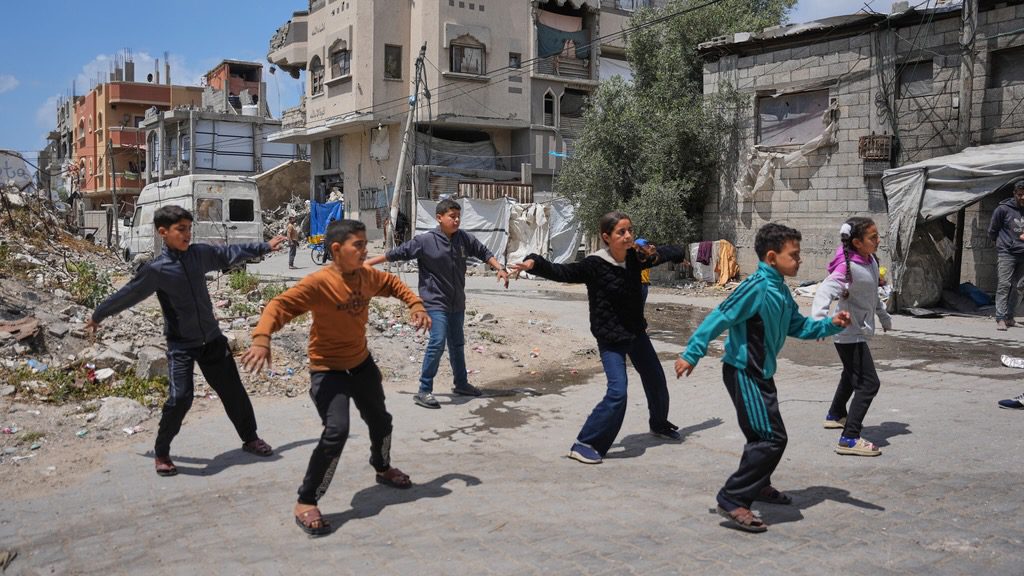
When the children become the target
On June 23, the United Nations Independent International Commission of Inquiry on the Occupied Palestinian Territory, including East Jerusalem, and Israel released one of the most devastating reports ever produced by a UN investigative body on the Israeli genocide in Gaza. Its title is almost unbearable to read: “The Essence of Childhood Has Been Destroyed”. Behind the title lies an accusation of extraordinary gravity. The Commission concludes that Israeli authorities and security forces have deliberately targeted Palestinian children and that these actions amount to genocide, crimes against humanity, and war crimes in the Gaza Strip, alongside war crimes in the occupied West Bank.
The report is not an emotional appeal. It is a painstaking legal document built upon witness testimony, forensic evidence, satellite imagery, military analysis, medical records, and years of documentation. What it presents is not merely another catalogue of civilian casualties. It argues that the killing, maiming, starvation, detention and psychological destruction of Palestinian children cannot be explained as collateral damage. Rather, the Commission concludes that children themselves have become deliberate targets of Israeli military policy. The implications of such a finding reach far beyond Gaza. They raise fundamental questions about the future of international law itself.
The Commission estimates that since October 2023, at least 20,179 Palestinian children have been killed and more than 44,000 injured. Approximately 30% of all Palestinians killed have been children. These figures alone place the Gaza war among the deadliest conflicts for children in modern history. Yet the report’s importance lies not simply in the numbers but in its conclusions regarding intent.
It documents repeated instances in which children were shot by snipers, attacked by drones, struck while seeking food or water, or killed despite posing no military threat – as should have been obvious. It examines the repeated use of high-yield explosives in densely populated civilian areas long after the predictable consequences for children had become undeniable. It details attacks on maternity hospitals, neonatal wards, schools, orphanages, and shelters. It also examines the blockade of food, water, and medicine, showing how starvation, disease, and the collapse of medical services have become instruments of war directed against an entire civilian population whose youngest members are the most vulnerable.
The Commission investigates Israeli detention practices involving Palestinian minors. Children arrested in Gaza and the West Bank describe torture, sexual violence, degrading treatment and disappearance into detention facilities without information being provided to their families. Such abuses, the report concludes, form part of a broader system of collective punishment directed against Palestinian society across generations. The UN Commission report is not novel on this, even though the findings are devastating. They corroborate previous reports by Save the Children (“Palestinian Children in Israeli Military Detention Report Increasingly Violent Conditions,” February 29, 2024) and, long before this genocidal campaign that began in 2023 by UNICEF (“Children in Israeli Military Detention,” February 2013). In his recent book, “Survivors of the Darkness,” the Palestinian journalist Wesam Afifa documents the horrendous violence of the Israeli concentration camps set up for Palestinians, including children.
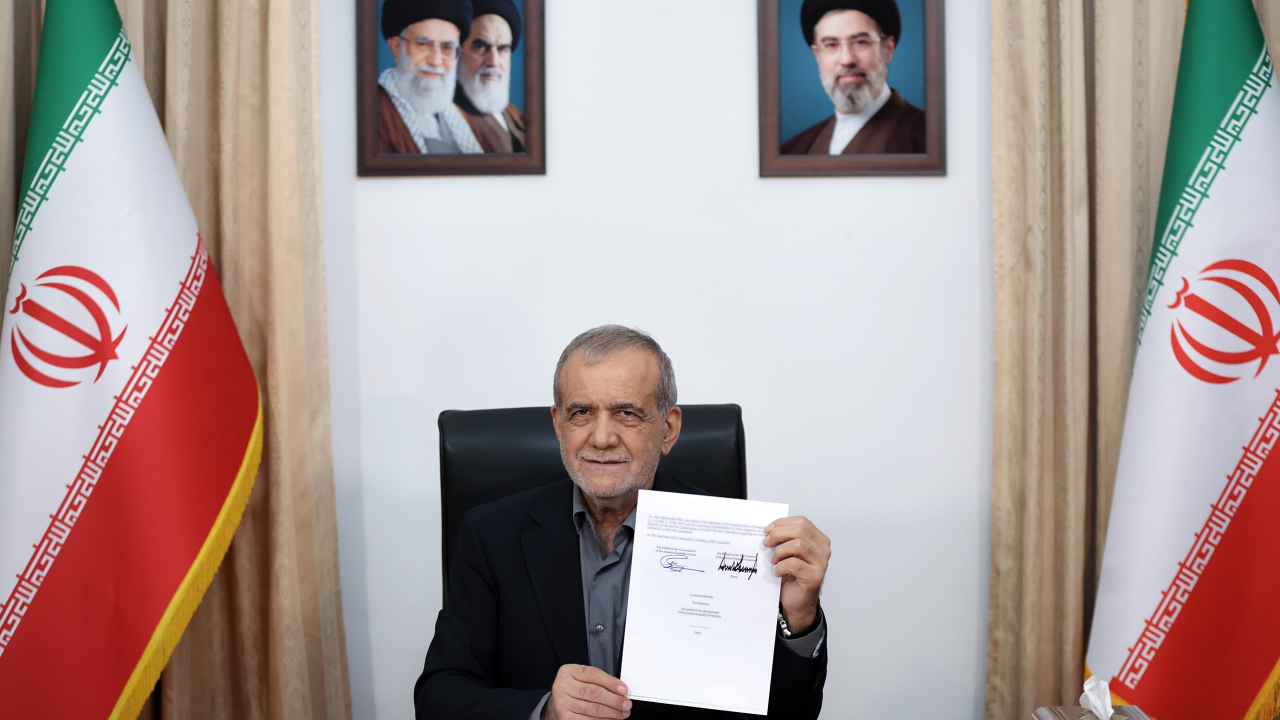
Alto al fuego, pero no un gran acuerdo entre los Estados Unidos e Irán
En resumen, el acuerdo reconoce a Irán como una potencia regional cuyos intereses deben ser objeto de negociación, y no simplemente eliminados mediante bombardeos.
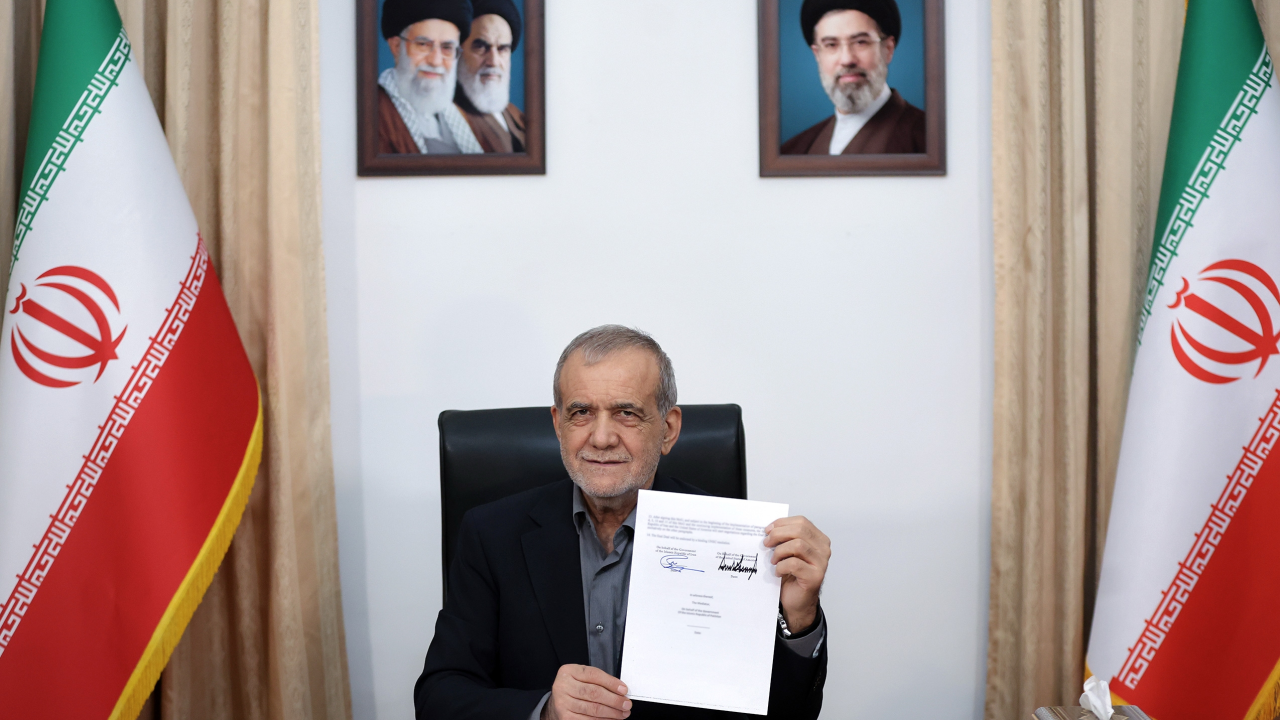
Ceasefire but not a grand bargain between the United States and Iran
In short, the agreement recognizes Iran as a regional power whose interests must be negotiated, not simply bombed away.
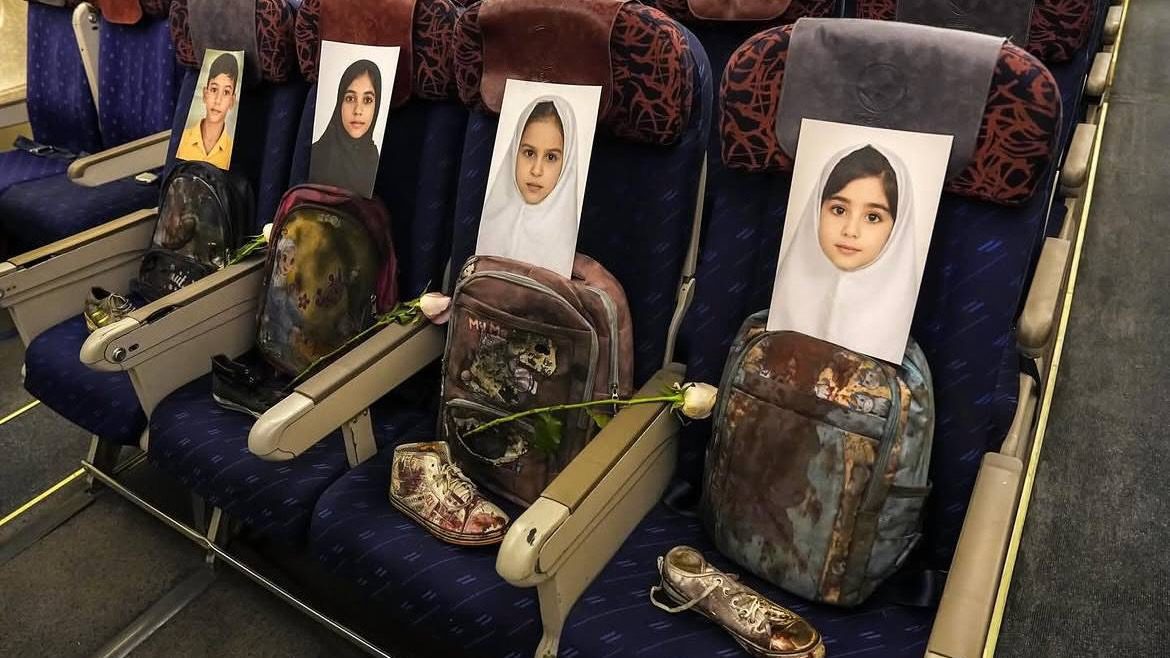
La máquina y la escuela: Anthropic y la guerra de los EE. UU. contra Irán
Informes de prensa indican que el sistema Maven Smart del ejército estadounidense, que incorpora herramientas de inteligencia artificial —incluido el modelo Claude de Anthropic—, participó en operaciones militares contra Irán.
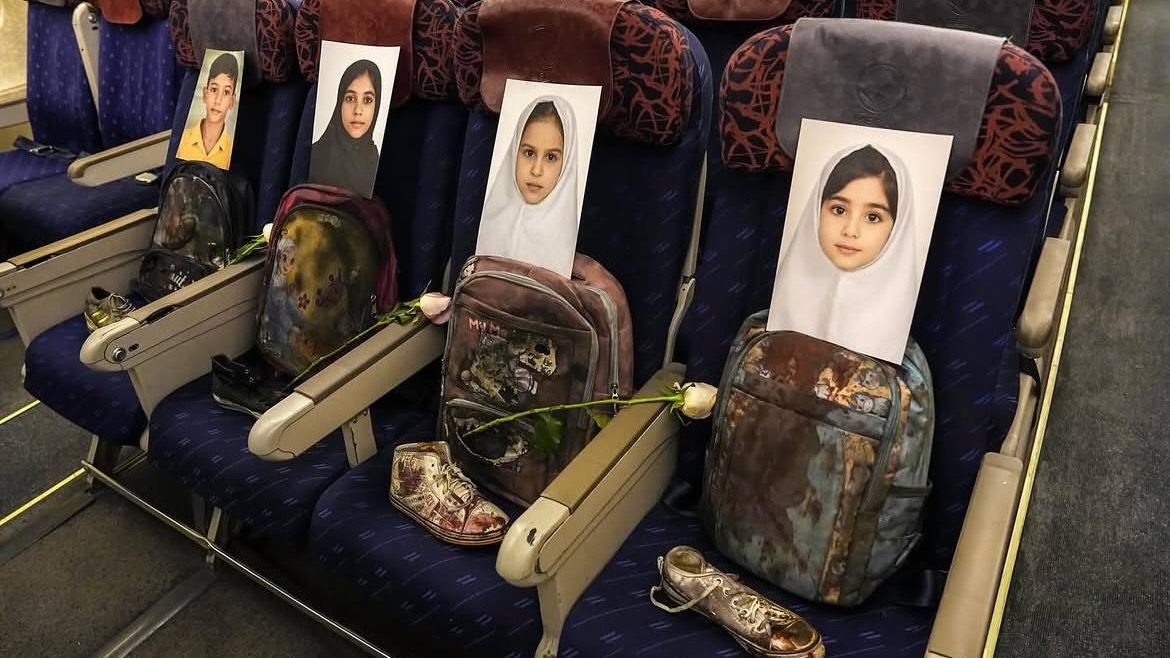
The machine and the schoolhouse: Anthropic and the US War on Iran
Press reports indicate that the US military’s Maven Smart System, which incorporates AI tools including Anthropic’s Claude model, was involved in military operations against Iran.
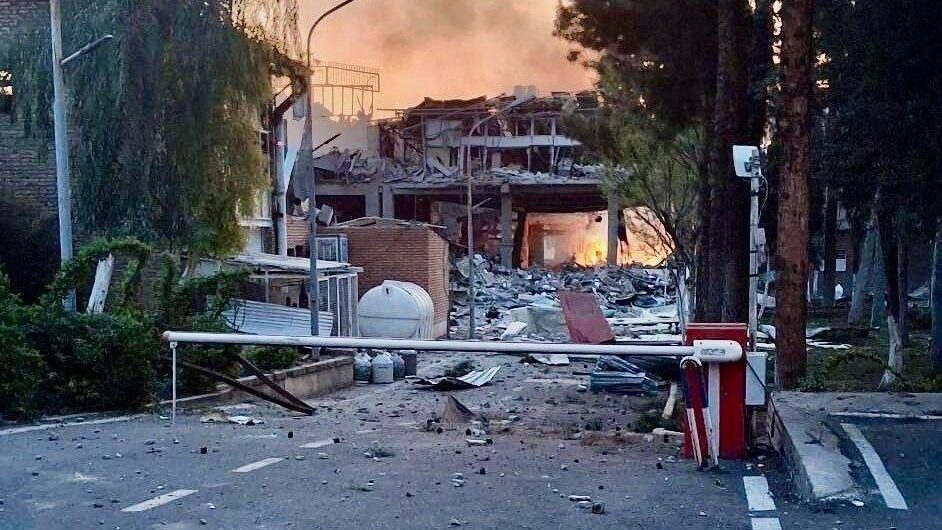
La desolación de la expresión “alto el fuego”
A medida que los gobiernos describen reiteradamente situaciones de violencia continua como un alto el fuego, la tragedia no radica solo en el sufrimiento persistente, sino en que los mecanismos mediante los cuales se reconoce dicho sufrimiento comienzan a erosionarse.
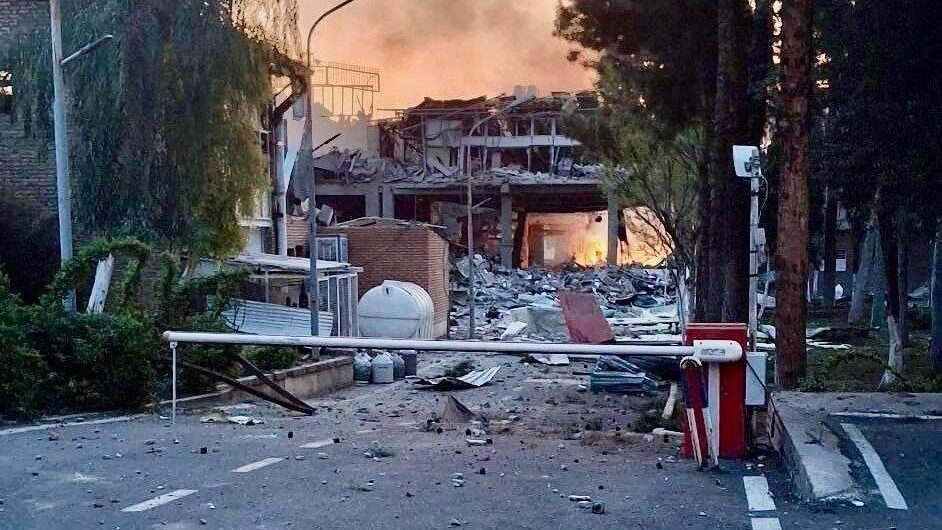
The desolation of the word ‘ceasefire’
As governments repeatedly describe conditions of ongoing violence as a ceasefire, the tragedy is not only the continued suffering, but that the mechanisms through which suffering is recognized begin to erode.
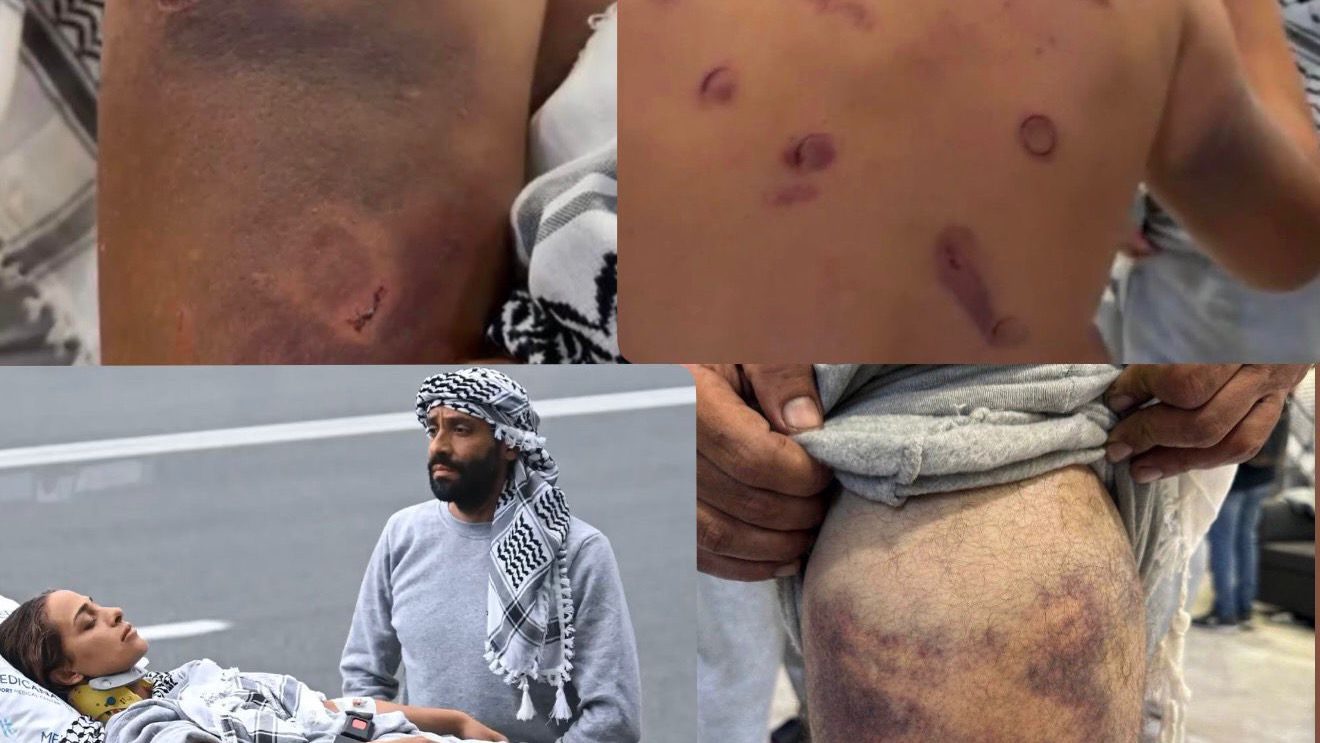
The theater of punishment
The global outrage over Gaza, the continued symbolic power of Palestinian prisoners, and the persistence of international solidarity movements all indicate that the Palestinian struggle remains profoundly alive.