Over 30 Iranians killed, 260 wounded in latest US strikes
Iran called the reimposition of the naval blockade by the US an act of economic warfare against competitors and warned of retaliation by closing “all other export corridors that benefit the US and its allies.”
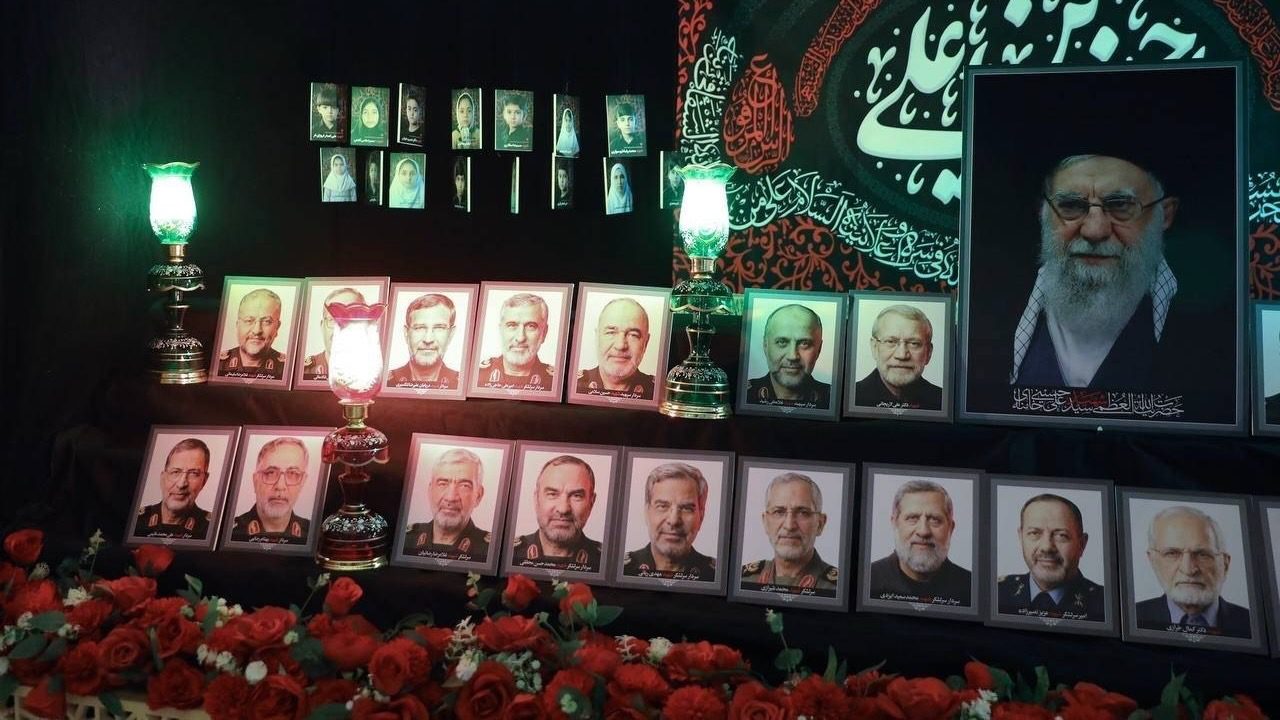
Vigil during an open session of the Iranian Parliament held on Tuesday. Photo: IRNA
Scores of Iranians were killed and wounded mostly in the southern parts of the country after the fourth consecutive night of US military strikes late Tuesday night and early Wednesday morning.
According to the Iranian Ministry of Health, despite US President Donald Trump’s claims of his country’s forces avoiding civilian targets, the total number of Iranians killed in the last four days of US strikes has now crossed 30, with over 260 others wounded.
At least seven Iranians were killed in one US airstrike on the Southern Iranian city of Iranshahr early Wednesday morning, with three others killed in attacks on Hormozgan province, Tasnim News Agency reported.
On Wednesday, US Central Command announced it completed a seven hour wave of strikes inside Iran “hitting dozens of military targets near Strait of Hormuz and Iranian coastal areas.”
Though the Central Command claimed “US fighter aircraft, drones, and naval vessels launched precision munitions against Iranian missiles drone sites, naval capabilities and coastal defence system to further degrade Iranian ability to threaten commercial shipping and civilian crew,” Iranian media reported attacks were targeted at civilian infrastructure.
Islamic Republic of Iran Broadcasting (IRIB) reported attacks on a wheat silo in Hoveyzeh, Tasnim News Agency reported attacks on Chabahar maritime surveillance tower and attacks on other civilian facilities.
Meanwhile, Trump renewed his threats of ground offensives and capture of Kharg Island in Iran which is crucial for its oil exports. He also threatened more intensive strikes against the country’s civilian infrastructure in the coming days.
“Next week it gets really bad for them, because next week comes the power plants. Next week comes the bridges,” Trump told Fox News, in a new interview on Tuesday asking Iran to come to the negotiating table and make a deal as soon as possible.
The demand for a new deal comes after a peace deal signed merely a month ago is already on the verge of becoming meaningless.
The collapse of the MoU
The US Central Command also announced the resumption of the US naval blockade on Iran effective from 4 pm ET on July 14, almost a month after it was lifted following the signing of the peace deal formally known as the Islamabad Memorandum of Understanding (MoU).
“There are currently more than 20 US navy warships and hundreds of military aircraft operating” in the region to impose the blockade and prevent any Iranian ships passing through the Persian Gulf, US Central Command claimed.
The reimposition of the blockade indicates a complete collapse of the peace deal which came under fire allegedly by the Trump administration from the first day it was signed.
First, the implementation of the MoU was delayed due to Israel’s refusal to cease its attacks on Lebanon, one of the basic conditions for the deal, apart from the understanding on the Strait of Hormuz, and the release of Iran’s frozen assets.
Israel resumed its attacks on Lebanon the day the US launched its first major strikes on Iran along with the declaration by Trump about the end of the peace deal. Trump made the announcement despite sending his delegation for a new round of talks in Geneva and Doha over Iran’s nuclear program.
The US attacks and its attempts to defy the MoU by creating an alternative route in the Strait of Hormuz prompted Iran to launch attacks on ships choosing the alternative path. Iran also announced the re-imposition of the blockade on navigation through the strait weeks after it was opened.
Iranians have now threatened to block all alternative routes of oil exports from the region in response to the US decision to reimpose its naval blockade, claiming the naval blockade to be a form of economic warfare.
“Having blocked the Indian Ocean route, thereby threatening the economic interest of US’ competitors, it must brace for the closure of all other export corridors that benefit the US and its allies,” the Islamic Revolutionary Guard Corps (IRGC) said in a statement on Wednesday.
“Regional energy exports are either shared by all, or denied to all,” the IRGC underlined.
The IRGC also claimed to have carried out retaliatory strikes on several US military bases in Kuwait, Jordan and Bahrain on Wednesday and warned of more such strikes if the US fails to cease its hostile actions.
On Tuesday, more than 180 out of the total 290 members in the Iranian parliament issued a joint statement making a political point against the MoU. The parliament also approved a bill seeking stronger Iranian control over the Strait of Hormuz.