Despite disruptions caused by Trump’s threats, Iran and US claim ‘major progress’ in talks
Qatar and Pakistan claimed a “de-confliction cell” has been formed between Iran and the US, with Lebanese representation, to ensure the proper observation of the ceasefire.
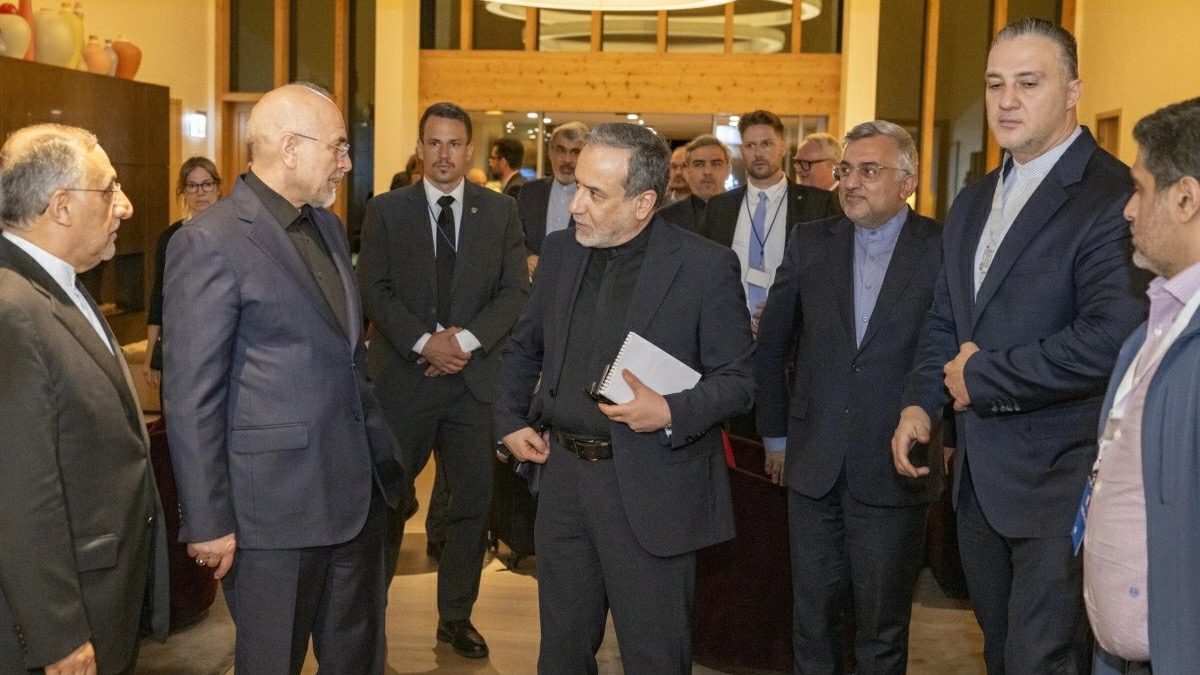
Expert-level negotiations between Iran and the US regarding the mechanisms for implementing the Islamabad Memorandum of Understanding and the formation of related technical groups commence today in Switzerland. Photo: Tasnim News Agency
Despite US President Donald Trump’s untimely threats, which led to the Iranian delegation leaving earlier than their scheduled departure from the first round of quadrilateral negotiations in Switzerland, all parties hailed the talks, claiming they made great progress towards a possible deal.
“Tireless Pakistani and Qatari mediation has delivered major progress to end the Lebanon War,” Iranian Foreign Minister Abbas Araghchi wrote on X on Monday, June 22.
“Oil and petrochem exports are waived, blockade lifted, some frozen assets released, and a major reconstruction & development plan launched for Iran.”
His assurance came hours after his country’s delegation refused to rejoin the talks with the US over the nuclear program and the lifting of sanctions, after spending merely 90 minutes on Sunday at the venue of the talks at Lake Lucerne in Bergenstock in Switzerland.
The Iranian delegation cited repeated threats freshly issued by President Trump during the ongoing talks as the reason for their withdrawal.
Trump, in an early morning social media post on Sunday, threatened to hit Iran “very hard again, just like we did last week, only harder” if it fails to “stop their highly paid proxies in Lebanon from causing trouble.”
A day earlier, during his interview with Fox News, Trump threatened to impose his own tolls on the Strait of Hormuz if Iran “fails” to make a deal within 60 days, as stipulated in the MoU.
Read more: US killed three Indian sailors last week during its blockade of Iran
Esmail Baghaei, official spokesperson of Iran’s Ministry of External Affairs also claimed that progress had been made regarding “the issuance of necessary authorization for Iran’s oil sales and the release of frozen assets.”
He underlined that, despite the Iranian team’s early withdrawal, the technical work for future talks will continue for the remainder of the week and progress on certain other crucial issues were made.
“The Lake Lucerne summit was conducted in a positive and constructive atmosphere. Encouraging progress has been made including the creation of a mechanism for further technical talks,” a joint statement issued by mediators Qatar and Pakistan further confirmed on Monday.
US Vice President and head of its delegation in Switzerland J D Vance tried to dismiss the Iranian decision to walk out of the talks mid-way, calling it a “little whining.” He too declared that the talks with Iran actually made “great progress.”
De-conflicting cell on Lebanon
Describing the positive developments during the talks on Sunday, the Qatar-Pakistan joint statement claimed the formation of a “de-confliction cell” with Lebanese participation “to ensure the adherence of the termination of military operations in Lebanon as per the MoU.”
Iran had reiterated time and again that any violation of the ceasefire in Lebanon would invite reactions from it and may halt progress in talks. It repeated the warnings again on Monday.
Israel has maintained that it was not bound by the provisions of the MoU signed by third parties.
The Israeli war in Lebanon played a crucial role in the delay of the first round of the quadrilateral talks in Switzerland, as they were originally scheduled to start on Friday. Iran refused to send its delegation after Israeli forces launched fresh attacks in southern Lebanon.
Iran announced the closure of navigation through the Strait of Hormuz again on Saturday, in response to the US failure to stop Israel from launching fresh attacks inside Lebanon in violation of the provisions of the MoU.
Watch: ‘HUMILIATING loss’: Rania Khalek unpacks how Trump, Israel got played in Iran MoU
However, on Monday, Baghaei hinted some understanding on the issue of free passage through the Strait of Hormuz as well.
Press TV reported him saying that “parties” are making arrangements for the safe passage of ships through the Strait of Hormuz.
Iran’s nuclear program and end of sanctions
The negotiations in Switzerland aim to achieve resolutions on issues such as Iran’s nuclear program and the fate of US sanctions. As per the provisions of the MoU it needs to be finalized within the next 60 days.
According to Iran, the first round of talks in Switzerland were mostly focused on ensuring the full implementation of US commitments under the MoU.
Without the full implementation of the MoU, including the complete end of the war in Lebanon “entry into the negotiation phase for the final agreement is not possible,” Baghaei asserted on Monday.
However, Qatar and Pakistan’s joint statement claimed the formation of a “high level committee” to “provide political oversight on the mediation” and oversee the effective implementation of the MoU.
This high level committee, the joint statement claimed, has already adopted “a roadmap” to reach the final agreement on Iran’s nuclear program and the lifting of sanctions within the next 60 days.