EU politicians push new sanctions on Russia and Iran while deepening support for Ukraine
Ministers also announced plants to limit travel for current and former members of the Russian army – a measure that was not introduced for equivalents of the Israeli occupation forces.
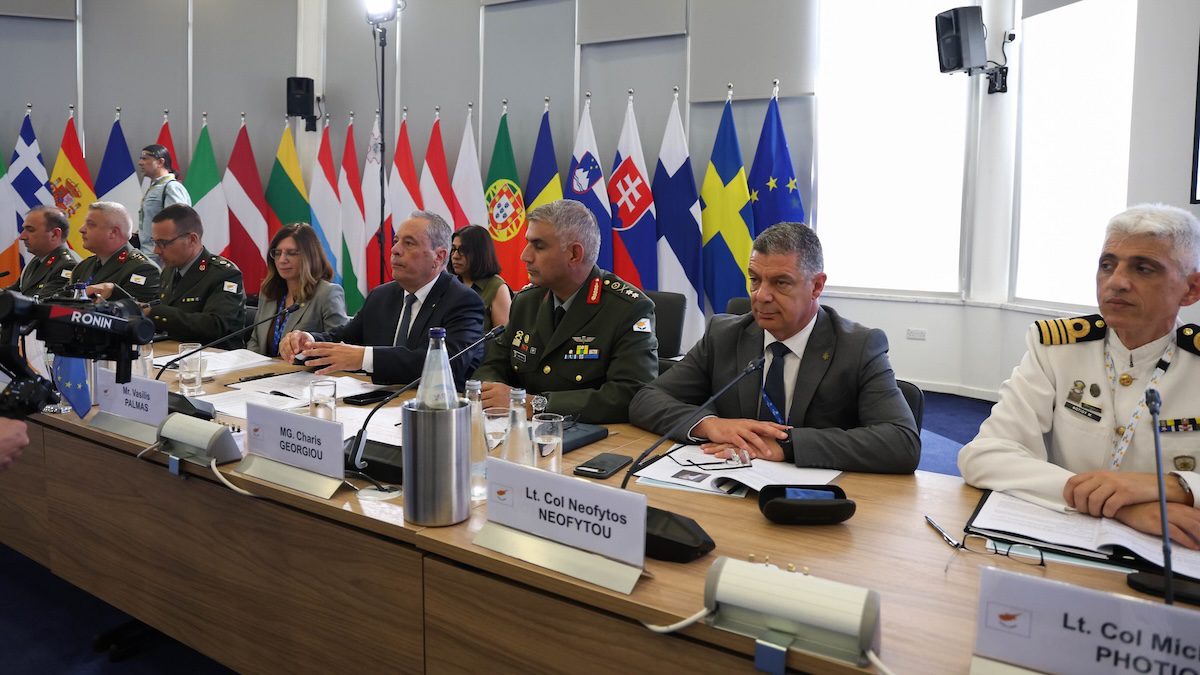
Informal meeting of EU defense ministers June 8. Photo: flickr
European defense ministers met in Cyprus on June 7-8 to discuss the EU’s approach to the Ukraine war, the European Security Strategy, and what they termed “maritime security.” The meeting was accompanied by announcements of new EU sanctions on Russia and Iran, while offering no action for the bloc’s partners – the United States and Israel.
In light of Israeli attacks on Lebanon and Iran’s recent response, EU High Representative for Foreign Affairs Kaja Kallas once again tried to shift responsibility to authorities in Iran. She added that sanctions would be imposed on a section of the Iranian Navy and two individuals under the EU’s new “freedom of navigation” sanctions regime. Addressing the situation in the Strait of Hormuz, Kallas said ministers “were clear today that Iran’s actions are unacceptable,” and suggested that “all sides must come back to the negotiation table.”
The High Representative also suggested the EU could support the negotiation process based on specific expertise she believes the bloc has. “We have expertise also when it comes to trust-building or confidence-building measures that we can bring to the table,” Kallas said during the meeting’s press conference, “because it is not only the ceasefire that we need, but the long-term peace that also requires the voice of the regional actors to be taken into account.”
Interestingly, this alleged expertise does not seem to be used in the Ukraine war, where the EU remains determined to keep Kiev authorities fighting instead of pursuing a negotiated solution. As part of these efforts, EU members are pursuing a €90 billion loan to Ukraine, with €5.9 billion to be disbursed for drones this month, according to Kallas’ statements. “Ministers also looked into deepening the defense industrial cooperation with Ukraine, particularly on air defense, which is the most needed capability right now, and this must go with facilitating production of Ukrainian systems in the European Union and establishing European companies in Ukraine,” she added.
Aspects of military cooperation between Ukraine and other European countries were also discussed in parallel to the defense ministers’ informal meeting by British Prime Minister Keir Starmer, French President Emmanuel Macron, German Chancellor Friedrich Merz, and Ukrainian President Volodymyr Zelenskyy at a meeting in London.