‘I will remove the rubble with my hand’: Gazans rejoice, facing uncertain future
For two years, the people of Gaza have been waiting for the moment the war would end. On October 8, news broke that Israel and Hamas had agreed to the first phase of a ceasefire. On October 13, President Trump met with Arab and European heads of state in Sharm El Sheikh, Egypt, for a […]
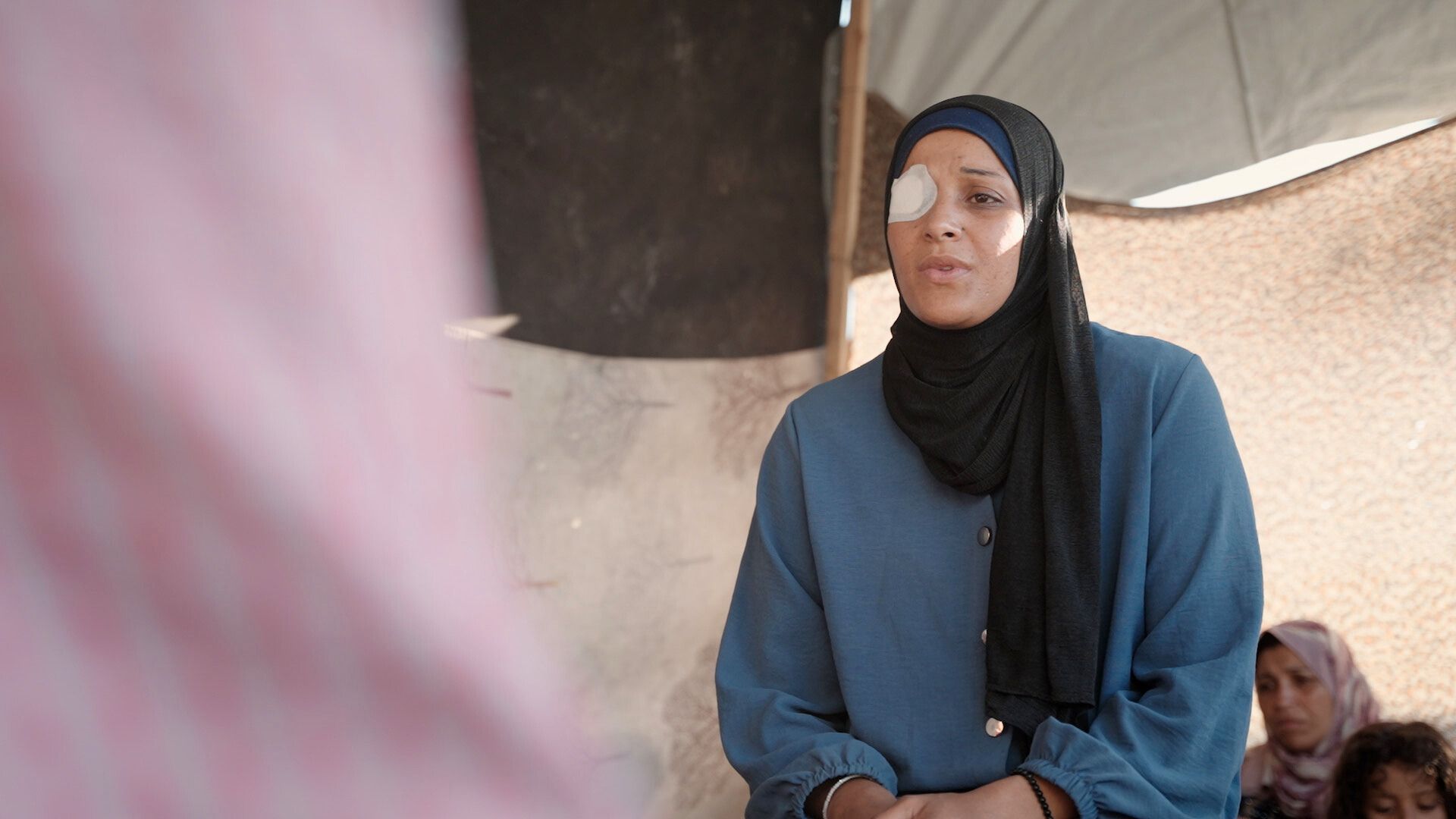
Suha Muqat speaks with BreakThrough News about the difficulties that lie ahead as Gaza faces the task of reconstruction. Photo by Ruwaida Amer
For two years, the people of Gaza have been waiting for the moment the war would end. On October 8, news broke that Israel and Hamas had agreed to the first phase of a ceasefire. On October 13, President Trump met with Arab and European heads of state in Sharm El Sheikh, Egypt, for a summit on the future of Gaza and regional peace.
For the people of Gaza, peace was long awaited, and then came suddenly. While Gazans celebrate, the feelings of joy are mixed with uncertainty for the future and fear of what may come. BreakThrough News spoke with a number of survivors of the Israeli genocide in Gaza about their immediate thoughts and feelings after the cessation of hostilities.
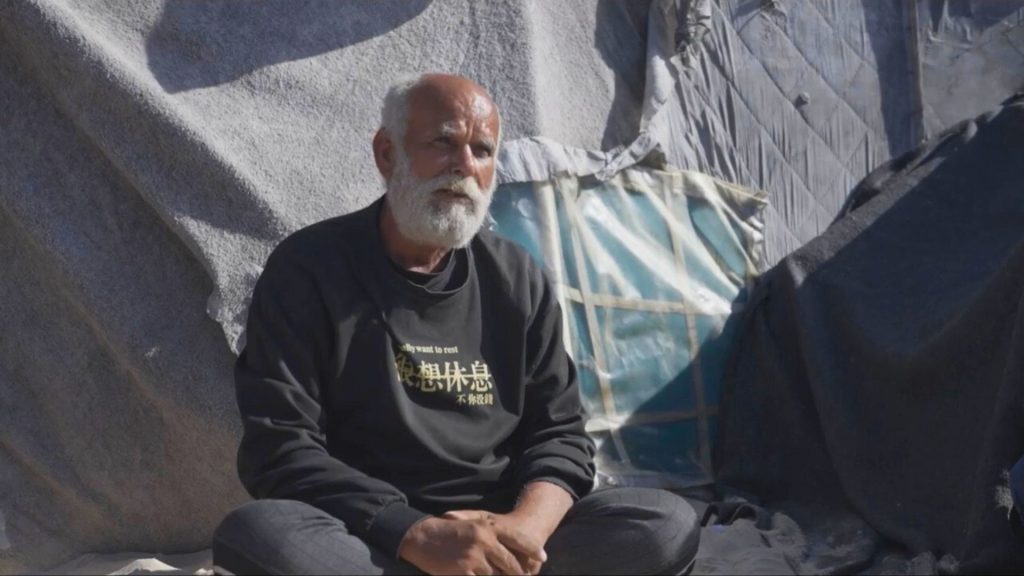
Suha Muqat, 36, from northern Gaza City, was born with a motor disability, and was confined to her home for most of the war. She told BreakThrough News, ““At the beginning of the war, I was injured by shrapnel in my eye, so I stayed at home and refused to leave. But four weeks ago, the army forced me to leave. I crawled on the ground to survive and moved from one place to another in Gaza City until I reached the Mawasi area of Khan Yunis. Displacement for someone in my life is suffering, so I wished to die every day instead of this exhaustion.”
The streets are completely destroyed, and a wheelchair cannot pass through them. I will be deprived of going to treatment or anywhere else because of this.
People with mobility disabilities like Muqat are especially affected by the destruction of Gaza’s infrastructure. A recent UN report found 83% of Gaza City’s buildings have been destroyed by Israel’s bombardment campaign. “I was afraid of being injured and not being able to save myself. When the war stopped, I felt a little safer, but I will return to sitting at home without moving around,” Muqat said. “The streets are completely destroyed, and a wheelchair cannot pass through them. I will be deprived of going to treatment or anywhere else because of this.”
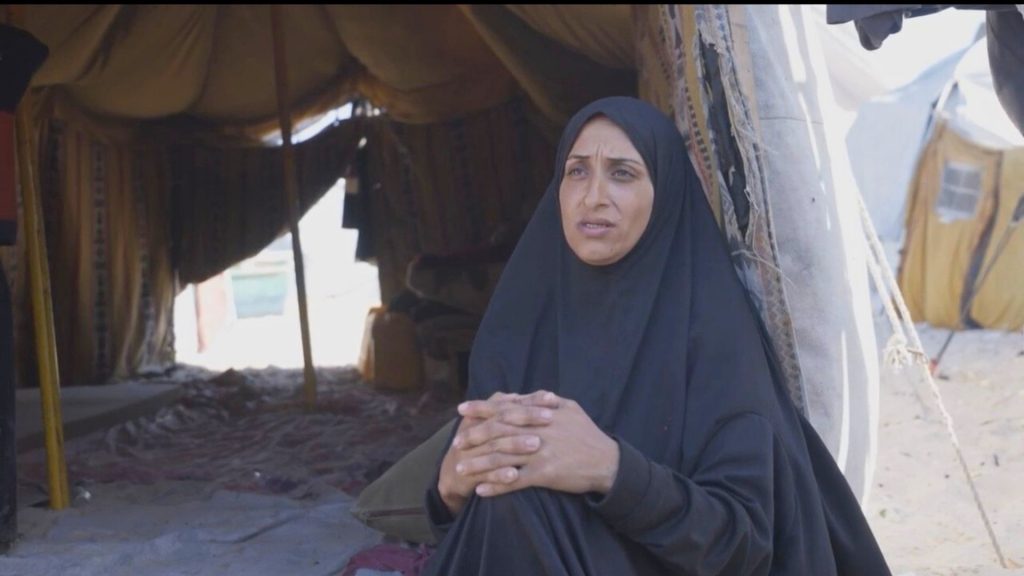
While tens of thousands of people displaced from Gaza’s north have returned since the announcement of a peace deal, others are biding their time. Ismail Abu Matroud, 54, a father of six children, left Jabalia six months ago and was displaced to the Port of Gaza. Four weeks ago, he was displaced again to the south, finding no other place for himself except on the beach in the central region.
Abu Matroud says he will not return to Jabalia just yet. “We experienced it before, last March, when the war violently returned,” he explained. “I’m happy that it’s stopped and we have a chance to rest from the difficulties of this war, but I don’t want to return until the negotiations are over and a ceasefire is in place.”
Still, he finds some solace in the new situation. “Every day, I thought about the moment the war would stop, that safety would return to my life,” Abu Matroud told BreakThrough. “But since Friday, my heart has been at peace. I was terrified of losing one of my children. I was always searching for safety, and the cessation of the war has achieved that for me.”
The future in Gaza is still uncertain, but we will try to live it with the available capabilities. I hope that Gaza will return to being as strong as it was before.
For others, return is simply not yet an option. “My home is destroyed, and I cannot return to it because the Israeli army has not yet withdrawn from the area. So, unfortunately, I will remain here until the complete withdrawal,” Ahmed Abu Amsha, a 42-year-old musician and teacher at the Edward Said Conservatory of Music from Beit Hanoun told BreakThrough.
For two years, Abu Amsha has dedicated himself to bringing music to the lives of fellow displaced people, especially children. “I was displaced several times since the beginning of the war, until I ended up on the beach in the city of Al-Zawaida, in the middle of the Gaza Strip.”
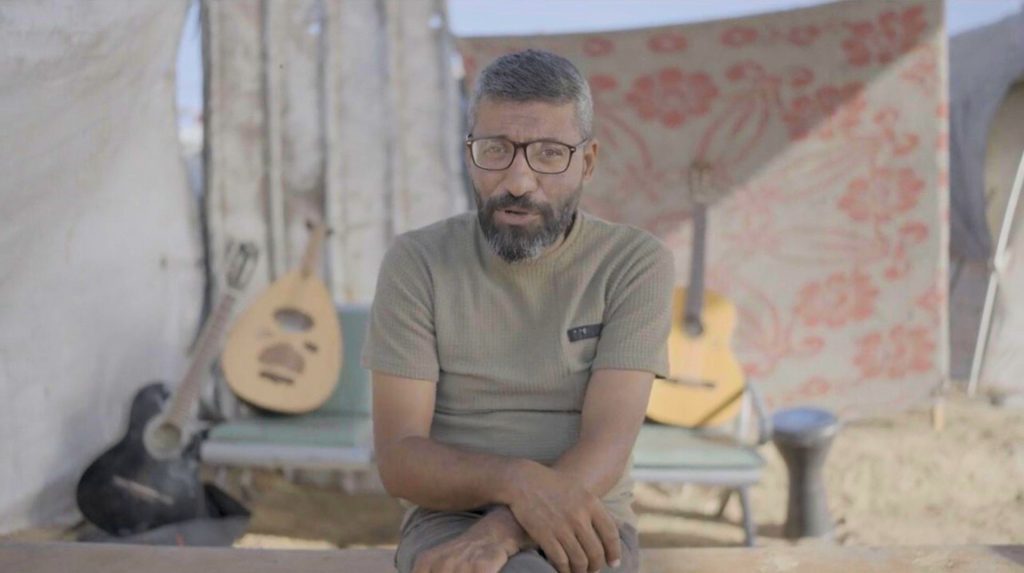
“Since the beginning of the war, I have been trying to be positive with my guitar to bring joy to the children. We have a song called ‘Drone,’ which was accompanied by the sound of the planes that bothered us. We were waiting for the war to stop, and we always talked about it. We were tired of the sound of the bombing and the repeated displacement, and we wanted to survive. Indeed, the war stopped, and my wish for the children was fulfilled. Now we can train the children without the sound of the drones or warplanes. This is a dream come true.”
“We want to live a real life with all the essentials of life. I want to present international musical performances, including the song ‘Drone’, which thousands of followers interacted with. The future in Gaza is still uncertain, but we will try to live it with the available capabilities. I hope that Gaza will return to being as strong as it was before.”
I am happy that the war has stopped and the suffering has stopped. I want to live in safety, even if only for one day.
Abu Amsha is not alone in his feelings of relief and joy. Suad Abu al-Khair, 45, was displaced from central Gaza City with her eight children three weeks ago after Israeli forces shelled her home. She and her family are now sheltered in a tent in al-Zawaida close to Gaza City. “I have been thinking about returning to my home, even if it is in rubble,” she said.
“I used to sit at the door of the tent praying for the war to stop, and it did. This is a joy of survival that I cannot describe to anyone. I am happy that the war has stopped and the suffering has stopped. I want to live in safety, even if only for one day. I want to cook whatever my children ask me to cook. I want to meet my loved ones without fear of bombing, and that was achieved with the cessation of the war.”
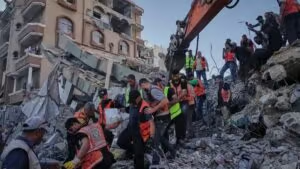
Abu al-Kharir is undeterred by what she may find. “I will return to my house during this week, the neighbors told me that my house was badly damaged, I will remove the rubble with my hand and try to fix something from it and sit in it.
“The future in Gaza is always unknown. We did not expect to live through this devastating war, so I cannot talk about it. But what I will do as a mother is try to provide a good life for my children, for them to return to their studies, and for life to gradually return to what it was before. Even if it is difficult because of the great destruction that will take years to remove and rebuild. But the most important thing is survival and this was achieved by stopping the war.”